+86 15303735673
 Jessica@frpzs.com
 Technical Data


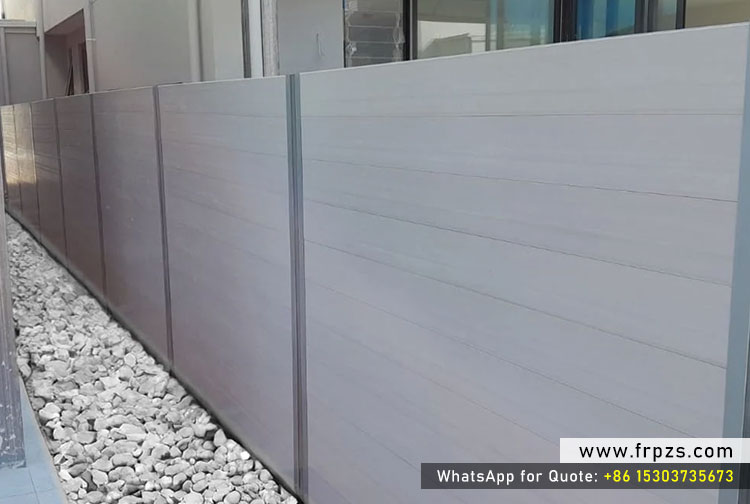
FRP Retaining Wall Systems for Coastal Areas in Australia
Australia has one of the longest coastlines in the world, and many infrastructure and civil engineering projects are exposed to harsh marine environments. In coastal areas, traditional concrete retaining walls often suffer from corrosion, cracking, and high maintenance costs. As a result, FRP retaining wall systems are increasingly adopted across Australia as a reliable alternative for coastal applications.
Designed with corrosion-resistant composite materials, FRP retaining walls provide long-term structural performance while significantly reducing maintenance requirements in salt-rich environments.
Challenges of Coastal Retaining Walls in Australia
Coastal construction in Australia presents unique challenges due to constant exposure to salt spray, moisture, and fluctuating temperatures. These factors accelerate deterioration in conventional concrete and steel-reinforced retaining walls.
Common problems faced by traditional retaining wall systems in coastal areas include:
- Steel reinforcement corrosion caused by salt penetration
- Concrete cracking and spalling
- High long-term repair and maintenance costs
- Reduced service life in marine environments
These challenges have driven Australian engineers to explore alternative retaining wall systems with improved durability.
Why FRP Retaining Walls Perform Better in Marine Environments
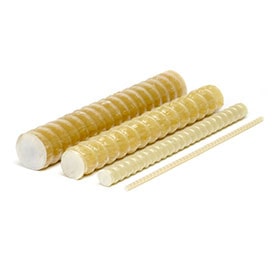
FRP retaining wall systems are manufactured using fiberglass reinforcement and corrosion-resistant resin systems. Unlike steel-reinforced concrete, FRP materials do not rust, making them particularly suitable for marine and coastal environments.
Key performance advantages include:
- Excellent resistance to salt corrosion and moisture
- No steel reinforcement corrosion
- Stable mechanical performance over long service life
- Minimal maintenance requirements
These characteristics make FRP retaining walls a practical solution for Australian coastal infrastructure projects.
Lightweight Design and Installation Benefits
In addition to corrosion resistance, FRP retaining wall systems offer significant installation advantages. Their lightweight structure reduces transportation costs and simplifies handling on site.
This is especially important for Australian coastal projects where access may be limited or construction sites are located in remote regions. Faster installation reduces overall project timelines and minimizes disruption to surrounding environments.
Typical Coastal Applications in Australia
FRP retaining wall systems are widely used in a variety of Australian coastal and marine applications, including:
- Coastal protection and seawall support structures
- Port and harbor infrastructure
- Highway embankments near coastal regions
- Railway projects exposed to marine environments
- Commercial and industrial developments along the coastline
For these applications, durability and long-term performance are critical design considerations.
System Design and Engineering Considerations
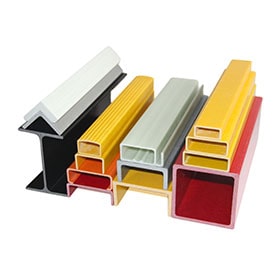
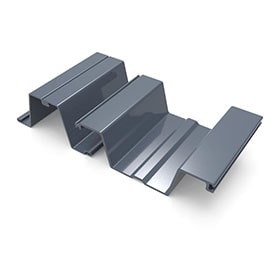
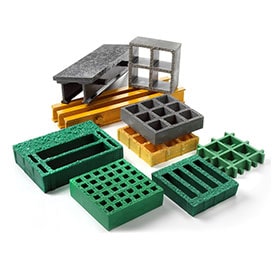
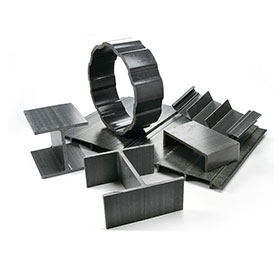
An FRP retaining wall system is typically designed as a modular structure consisting of pultruded FRP panels and structural profiles. The system can be engineered to meet specific load requirements, soil conditions, and environmental exposure levels.
Proper system design ensures stability, safety, and compliance with project specifications while maximizing the material advantages of FRP composites.
FRP Retaining Wall Systems for Australian Projects
For Australian coastal infrastructure projects, selecting a retaining wall system with proven performance is essential. FRP retaining wall systems provide a balance of durability, installation efficiency, and long-term cost savings.
FRP Retaining Wall Systems for Australia
Frequently Asked Questions
Q: Are FRP retaining walls suitable for long-term use in marine environments?
Yes. FRP materials offer excellent resistance to salt corrosion and moisture, making them ideal for long-term coastal and marine applications.
Q: Do FRP retaining walls require special maintenance?
FRP retaining wall systems generally require minimal maintenance compared to concrete structures in coastal environments.
Q: Can FRP retaining walls be customized for different coastal projects?
Yes. The system design can be customized to meet specific project requirements, including height, load capacity, and environmental conditions.
Conclusion
As Australia continues to invest in coastal infrastructure, durable and corrosion-resistant retaining wall solutions are increasingly important. FRP retaining wall systems provide a reliable alternative to traditional construction methods, offering long service life, lightweight installation, and superior performance in marine environments.