+86 15303735673
 Jessica@frpzs.com

 Technical Data



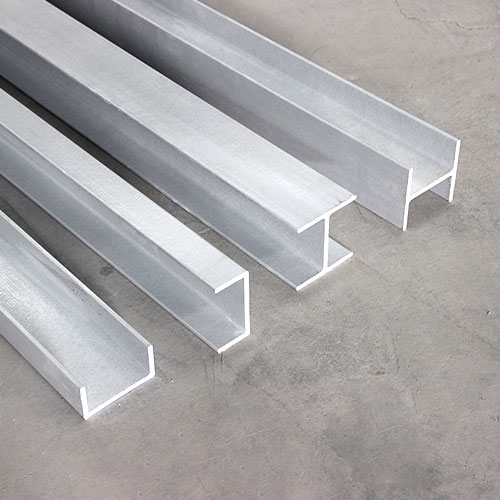
FRP Pultruded Profiles
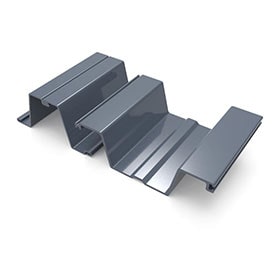
In the modern landscape of civil engineering, the demand for materials that combine high strength, lightweight properties, and extreme durability has never been higher. Traditional materials like steel, aluminum, and timber are increasingly being replaced by FRP (Fiberglass Reinforced Polymer) pultruded profiles. As a leading manufacturer at FRPZS, we provide high-performance structural shapes that redefine the longevity of infrastructure projects.
The Evolution of Structural Materials
For decades, steel was the "gold standard" for construction. However, issues such as corrosion, heavy weight, and high maintenance costs have led engineers to seek innovative alternatives. FRP pultruded profiles, manufactured through a continuous pultrusion process, offer a composite solution that addresses these vulnerabilities directly.
Key Benefits of FRP Pultruded Profiles
1. Unmatched Corrosion Resistance
Unlike steel which rusts or wood that rots, FRP profiles are impervious to chemicals, saltwater, and harsh industrial environments. This makes them ideal for chemical plants, offshore platforms, and wastewater treatment facilities.
2. High Strength-to-Weight Ratio
FRP is significantly lighter than steel (approximately 1/4 the density) while maintaining comparable longitudinal strength. This reduction in weight lowers transportation costs and simplifies the installation process on-site without requiring heavy lifting machinery.
3. Non-Conductive and Radio Frequency Transparency
For electrical and telecommunication infrastructure, safety is paramount. FRP is an excellent electrical insulator and does not interfere with electromagnetic waves, making it the perfect material for cooling towers or 5G base station supports.
Technical Specifications Comparison
| Property | FRP Pultruded Profile | Structural Steel | Aluminum |
|---|---|---|---|
| Density (g/cm³) | 1.6 - 2.0 | 7.85 | 2.7 |
| Corrosion Resistance | Excellent | Poor | Moderate |
| Electrical Conductivity | Non-conductive | High | High |
| Maintenance Cost | Very Low | High (Painting/Galvanizing) | Moderate |
| Service Life | 50+ Years | 15-20 Years (in harsh environments) | 25-30 Years |
Applications in Infrastructure
"The shift towards sustainable and low-maintenance infrastructure has positioned FRP as a primary material for the 21st century."
Our products are widely utilized in various sectors:
- Bridge Components: Girders, bridge decks, and pedestrian walkways.
- Cooling Towers: Structural frames that withstand constant moisture and chemical exposure.
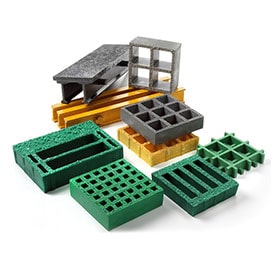
- Platform Systems: Safety ladders, gratings, and handrail systems in industrial plants.
- Agriculture: Support structures for greenhouses and livestock fencing.
How FRPZS Supports Your Project
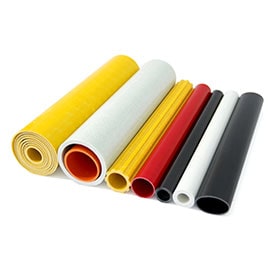
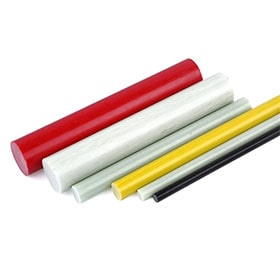
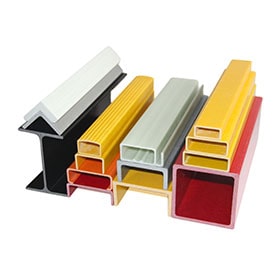
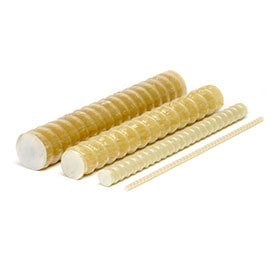
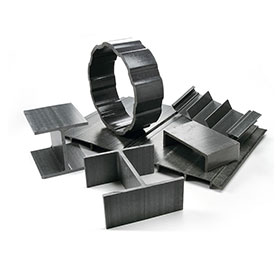
At FRPZS, we don't just sell products; we provide Integrated Solutions. From designing custom pultrusion dies to supplying high-capacity fiberglass rebar pultrusion machines, we ensure that our clients have the tools and materials to succeed. Our pultruded profiles (including I-beams, channels, tubes, and angles) are manufactured under strict ISO quality control standards.
If you are looking for a reliable partner for your next engineering project, our team of experts is ready to assist with material selection and technical support. By choosing FRP, you are investing in a sustainable, cost-effective, and durable future.
Contact our engineering team today for a custom quote on FRP profiles or to learn about our advanced pultrusion equipment.
Frequently Asked Questions
Q: Why are FRP pultruded profiles preferred over steel in civil engineering?
A: FRP pultruded profiles offer complete corrosion resistance, eliminating the rust and maintenance issues common with steel in bridges, marine structures, and chemical environments. They also provide high strength-to-weight ratio, reducing installation costs and structural dead load.
Q: How do FRP profiles improve infrastructure durability?
A: FRP profiles do not corrode when exposed to moisture, de-icing salts, or chemicals. This prevents the deterioration cycle that affects steel-reinforced and steel-framed structures, extending service life and reducing lifecycle costs for bridges, walkways, and waterfront infrastructure.
Q: What civil engineering applications benefit most from pultruded FRP?
A: Applications include bridge decks and components, pedestrian walkways, handrail systems, utility structures, and marine facilities. FRP is particularly valuable in coastal areas, cold regions using road salts, and industrial zones with chemical exposure.
Q: How does the lightweight nature of FRP profiles benefit construction?
A: The low weight of FRP profiles reduces transportation costs, allows easier handling with smaller equipment, and decreases foundation requirements. Faster installation and reduced labor needs contribute to lower overall project costs and shorter construction schedules.
Q: Are FRP pultruded profiles recognized in civil engineering standards?
A: Yes. Design guidelines such as ACI 440, ASCE pre-standards, and various national specifications support the use of FRP in infrastructure. Many transportation departments have approved FRP for bridge components, demonstrating growing acceptance in civil engineering practice.