+86 15303735673
 Jessica@frpzs.com

 Technical Data



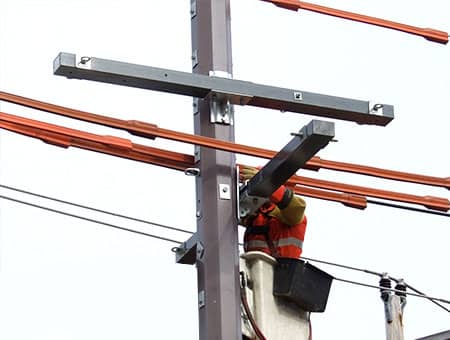
Frp Crossarm Construction Solution
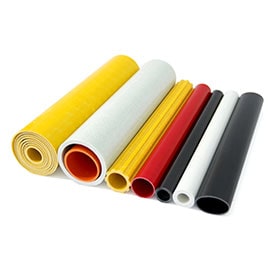
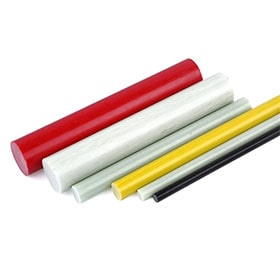
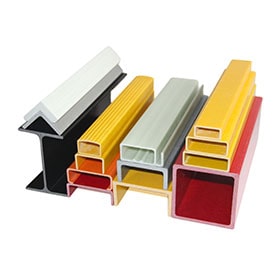
Frp Crossarm is a composite material crossarm used for power transmission, which has the advantages of high strength, light weight, corrosion resistance, good insulation performance, etc. Frp Crossarm’s manufacturing process mainly has two methods: filament winding and pultrusion. Filament winding is suitable for making round or conical crossarms, and pultrusion is suitable for making constant cross-section (round or polygonal) crossarms .
Frp Crossarm Installation Instructions
Before installing Frp Crossarm, you need to pay attention to the following points:
Check the appearance of Frp Crossarm for defects such as damage, cracks, deformation, etc. If any, they should be replaced or repaired.
Check the size of Frp Crossarm to meet the design requirements. If not, they should be adjusted or replaced.
Check the electrical performance of Frp Crossarm to meet the specification requirements. If not, they should be replaced or improved.
Choose suitable installation tools and accessories, such as bolts, washers, nuts, torque wrenches, etc., and avoid using tools that may damage Frp Crossarm, such as hammers, pliers, etc.
Follow the safety operation procedures, wear protective equipment, and pay attention to prevent accidents such as electric shock, falling, etc.
Frp Crossarm Installation Steps
According to different voltage levels and structural forms, Frp Crossarm’s installation steps may vary, but generally can be divided into the following steps:
Connect Frp Crossarm with pole or tower, fix it with bolts, washers, nuts, etc., pay attention to symmetry and balance, adjust the angle and height.
Connect insulator with Frp Crossarm, fix it with bolts, washers, nuts, etc., pay attention to symmetry and balance, adjust the angle and height.
Connect wire with insulator, fix it with fittings or clamps, pay attention to tension and sag, adjust the position and direction.
Check whether the installation of Frp Crossarm and its accessories is firm and reliable, whether it meets the design requirements and specification requirements, whether it affects the normal operation of other equipment or lines.
Perform tests and acceptance, such as mechanical strength test, electrical strength test, grounding resistance test, etc., to ensure that Frp Crossarm and its accessories achieve the expected performance and effect.
Frequently Asked Questions
Q: What is an FRP crossarm construction solution?
A: An FRP crossarm construction solution uses fiberglass reinforced polymer beams as crossarms on utility poles. These replace traditional wood or steel crossarms, providing electrical insulation, corrosion resistance, and lightweight installation for power distribution and transmission lines.
Q: Why are FRP crossarms preferred over wood and steel in utility construction?
A: FRP crossarms do not rot like wood or corrode like steel. They are non-conductive, improving electrical safety, and lighter, making installation easier and safer for line workers. Their consistent quality and long service life reduce maintenance and replacement frequency.
Q: What load capacities do FRP crossarms support?
A: FRP crossarms are engineered to support conductor loads, wind, and ice according to utility specifications. They are available in various lengths and strengths to match different voltage classes and span requirements. Manufacturers provide load ratings and test data for design verification.
Q: How are FRP crossarms installed on utility poles?
A: Installation is similar to traditional crossarms using standard mounting hardware adapted for FRP. The lighter weight reduces handling effort. Proper torque specifications and hardware selection ensure secure attachment. Many utilities have approved installation procedures for FRP crossarm systems.
Q: What is the service life and maintenance of FRP crossarm solutions?
A: FRP crossarms typically last 40-50 years or more with minimal maintenance. They resist UV, moisture, and pollution without degradation. Unlike wood, they do not require periodic inspection for rot, and unlike steel, they need no corrosion protection, lowering lifecycle costs for utilities.