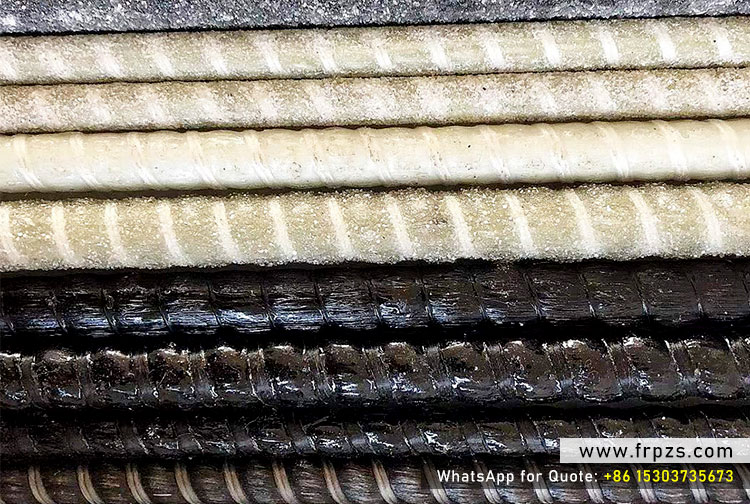
The Ultimate Guide to FRP Rebar: Everything You Need to Know About Fiberglass & GFRP Reinforcement
Concrete is one of the most widely used construction materials in the world, yet its durability depends heavily on the quality of its reinforcement. For more than a century, steel rebar has been the standard choice for reinforcing concrete. However, corrosion caused by moisture, chlorides, seawater, and aggressive chemicals continues to be one of the leading reasons for premature concrete deterioration.
To overcome these challenges, engineers have developed Fiber Reinforced Polymer (FRP) rebar, a new generation of composite reinforcement that offers outstanding corrosion resistance, high tensile strength, lightweight handling, and exceptional long-term durability. Today, FRP rebar, also known as fiberglass rebar or GFRP rebar, is increasingly used in bridges, tunnels, marine structures, parking garages, wastewater treatment plants, airports, industrial facilities, and many other infrastructure projects worldwide.
This comprehensive guide explains everything you need to know about FRP reinforcement, including its manufacturing process, material properties, advantages, limitations, engineering applications, design standards, installation methods, pricing, and frequently asked questions. Whether you are a structural engineer, contractor, project owner, distributor, or purchasing manager, this guide will help you better understand why FRP rebar is becoming one of the fastest-growing alternatives to conventional steel reinforcement.
What Is FRP Rebar?
Quick Answer:
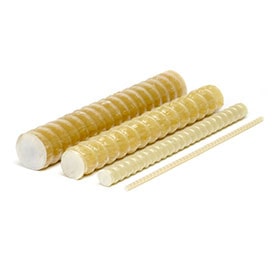
FRP rebar (Fiber Reinforced Polymer Rebar) is a non-metallic reinforcing bar manufactured by combining continuous reinforcing fibers with a high-performance polymer resin through a pultrusion process. Unlike conventional steel reinforcement, FRP rebar will not rust, is electrically non-conductive, non-magnetic, lightweight, and highly resistant to corrosion, making it an ideal reinforcement solution for concrete structures exposed to harsh environments.
FRP rebar is one of the most important innovations in modern reinforced concrete technology. Instead of relying on steel as the reinforcing material, FRP rebar uses thousands of continuous fibers that are permanently bonded together by a durable resin matrix. This composite structure produces a reinforcing bar that combines excellent tensile performance with superior resistance to moisture, chemicals, salts, and environmental degradation.
Unlike traditional reinforcing steel, FRP rebar does not participate in electrochemical corrosion reactions. As a result, engineers can significantly reduce maintenance costs while extending the service life of bridges, ports, tunnels, foundations, and other reinforced concrete structures.
In recent years, governments and infrastructure owners around the world have increasingly adopted FRP reinforcement as part of their long-term asset management strategies. Rather than focusing only on the initial construction cost, engineers now evaluate the entire life-cycle performance of a structure. Because FRP rebar eliminates corrosion-related failures, it often provides substantial economic benefits over the lifespan of a project.
Expert Insight
Although FRP rebar may have a higher initial material cost than carbon steel rebar, many infrastructure owners choose it because maintenance, repair, and replacement expenses are dramatically reduced over decades of service.
Understanding FRP, GFRP, and Fiberglass Rebar
One of the most common questions asked by engineers and buyers is whether FRP rebar, GFRP rebar, and fiberglass rebar refer to the same product.
The answer is both yes and no.
FRP (Fiber Reinforced Polymer) is a broad category of composite materials reinforced with different types of high-strength fibers. Depending on the fiber used, FRP reinforcement can be classified into several types, including glass fiber, carbon fiber, basalt fiber, and aramid fiber reinforcement.
GFRP (Glass Fiber Reinforced Polymer) specifically refers to FRP products manufactured using continuous glass fibers. Because glass fiber offers an excellent balance between performance and cost, GFRP is by far the most widely used FRP reinforcement for concrete structures.
The term fiberglass rebar is the commercial name commonly used by contractors, distributors, and construction professionals. In practical construction projects, fiberglass rebar almost always refers to GFRP rebar.
| Term |
Full Name |
Meaning |
Common Applications |
| FRP Rebar |
Fiber Reinforced Polymer Rebar |
General category of composite reinforcement |
Infrastructure, bridges, buildings |
| GFRP Rebar |
Glass Fiber Reinforced Polymer Rebar |
Glass fiber reinforced composite rebar |
Concrete reinforcement |
| Fiberglass Rebar |
Commercial product name |
Usually refers to GFRP rebar |
Construction projects worldwide |
| CFRP Rebar |
Carbon Fiber Reinforced Polymer |
Carbon fiber composite reinforcement |
Special engineering projects |
| BFRP Rebar |
Basalt Fiber Reinforced Polymer |
Basalt fiber composite reinforcement |
Marine and corrosive environments |
Did You Know?
More than 90% of FRP reinforcing bars used in civil engineering projects today are manufactured using continuous glass fibers, making GFRP rebar the dominant product in the global composite reinforcement market.
Why Is FRP Rebar Becoming Increasingly Popular?
The global construction industry is facing growing challenges related to aging infrastructure, rising maintenance costs, and increasingly aggressive service environments. Traditional steel reinforcement performs well in many applications, but once corrosion begins, repairing damaged concrete structures becomes both expensive and disruptive.
FRP rebar addresses these challenges by providing a reinforcement solution that is naturally resistant to corrosion. Since composite reinforcement does not rust, concrete structures can remain in service much longer with significantly lower maintenance requirements.
Several factors are driving the rapid growth of the FRP rebar market worldwide:
- Increasing investment in long-life infrastructure.
- Expansion of marine and coastal construction projects.
- Growing demand for corrosion-resistant reinforcement.
- Higher maintenance costs associated with aging bridges.
- Development of smart cities and resilient infrastructure.
- Expansion of wastewater treatment and desalination facilities.
- Construction of MRI rooms and non-magnetic buildings.
- Growth of renewable energy and utility infrastructure.
Many government agencies have also introduced design standards specifically addressing the use of FRP reinforcement, allowing engineers to confidently incorporate composite reinforcement into bridges, highways, ports, tunnels, and other public infrastructure projects.
Key Takeaways
- FRP rebar is a non-metallic reinforcing bar designed to replace steel reinforcement in corrosive environments.
- Fiberglass rebar and GFRP rebar generally refer to the same product, while FRP is the broader family of fiber-reinforced polymer composites.
- The main advantages of FRP rebar include corrosion resistance, lightweight handling, high tensile strength, electrical insulation, and non-magnetic performance.
- FRP reinforcement is increasingly used in bridges, marine structures, tunnels, wastewater treatment plants, foundations, airports, hospitals, and industrial facilities.
- Life-cycle cost savings are one of the primary reasons engineers choose FRP rebar over conventional steel reinforcement.
How FRP Rebar Is Made: Materials and Manufacturing Process
Quick Answer:
FRP rebar is manufactured through a process called pultrusion, in which continuous reinforcing fibers are pulled through a resin bath and then shaped and cured in a heated die to form a solid composite bar. The final product combines high-strength fibers with a durable polymer matrix, creating a lightweight yet extremely strong reinforcing material.
The performance of FRP rebar depends heavily on two main components: the reinforcing fibers and the polymer resin system. These materials work together to create a composite structure that behaves very differently from traditional steel reinforcement.
Unlike steel, which is a homogeneous material, FRP rebar is a composite material. This means its mechanical properties are derived from the interaction between different components rather than from a single metal alloy.
Main Components of FRP Rebar
FRP rebar is typically composed of two primary elements: continuous fibers and a polymer resin matrix. Each plays a critical role in determining the mechanical performance and durability of the final product.
1. Continuous Reinforcing Fibers
The fibers provide the primary tensile strength of FRP rebar. These fibers are extremely thin but possess very high strength along their length.
Common fiber types include:
- E-Glass Fiber: Most widely used due to cost-effectiveness and balanced performance.
- ECR Glass Fiber: Improved corrosion resistance for harsh environments.
- Carbon Fiber: High stiffness and strength, used in premium applications.
- Basalt Fiber: Good thermal and chemical resistance.
Among these, glass fiber is the most commonly used material for construction-grade FRP rebar due to its excellent balance of cost and mechanical performance.
2. Polymer Resin Matrix
The resin system binds the fibers together, transfers loads between them, and protects the fibers from environmental exposure such as moisture, chemicals, and UV radiation.
Common resin systems include:
- Vinyl Ester Resin: Preferred for high corrosion resistance and durability.
- Epoxy Resin: High mechanical performance and strong adhesion.
- Polyester Resin: Cost-effective but lower chemical resistance.
Engineering Insight
Vinyl ester resin is widely considered the optimal choice for civil infrastructure applications because it provides superior resistance to chlorides, alkalis, and moisture compared to standard polyester systems.
Surface Treatment and Bond Mechanism
FRP rebar does not rely on rust or deformation bonding like steel. Instead, it uses engineered surface treatments to achieve mechanical interlock with concrete.
Common surface configurations include:
- Sand-coated surface
- Helical wrapped ribs
- Molded surface deformations
- Spiral fiber wrapping
These surface treatments increase friction and bonding strength between the rebar and surrounding concrete, ensuring efficient load transfer in structural applications.
Did You Know?
FRP rebar does not bond to concrete through corrosion or chemical interaction like steel. Instead, it relies entirely on mechanical interlock between surface textures and the hardened concrete matrix.
How FRP Rebar Works Inside Concrete
FRP rebar functions as a tensile reinforcement element within concrete structures. Since concrete is strong in compression but weak in tension, reinforcement is required to carry tensile loads.
When concrete is subjected to bending, tension develops on one side of the structural element. FRP rebar absorbs these tensile forces and transfers them along its length through bond interaction with surrounding concrete.
Unlike steel reinforcement, FRP does not yield in a ductile manner. Instead, it behaves in a linear elastic way until failure. This fundamental difference in mechanical behavior must be considered during structural design.
Key Mechanical Behavior Characteristics
- Linear Elastic Behavior: FRP rebar does not yield; it behaves elastically until failure.
- High Tensile Strength: Stronger in tension than steel on a weight basis.
- Low Modulus of Elasticity: More flexible compared to steel reinforcement.
- No Corrosion Expansion: Does not cause cracking due to rust formation.
Design Note
Because FRP rebar does not yield like steel, engineers must use different design approaches based on serviceability limits rather than plastic deformation. This is why design standards such as ACI 440 are essential for FRP reinforced structures.
Comparison of FRP and Steel Behavior in Concrete
| Property |
Steel Rebar |
FRP Rebar |
| Stress-Strain Behavior |
Elastic-plastic with yield point |
Linear elastic until failure |
| Corrosion |
Prone to rusting |
Corrosion resistant |
| Bond Mechanism |
Mechanical + chemical |
Mechanical interlock only |
| Failure Mode |
Ductile |
Brittle |
| Electrical Conductivity |
Conductive |
Non-conductive |
Why Manufacturing Process Matters
The performance of FRP rebar is highly dependent on manufacturing quality. Parameters such as fiber alignment, resin content, curing temperature, and pull speed during pultrusion directly affect mechanical strength and durability.
High-quality FRP rebar requires strict control of:
- Fiber volume fraction
- Resin impregnation quality
- Curing temperature stability
- Pulling tension control
- Surface finishing consistency
Manufacturers with advanced pultrusion lines and quality control systems are able to produce FRP rebar with consistent mechanical performance that meets international standards such as ASTM D7957 and ISO 10406.
Key Takeaways
- FRP rebar is manufactured using a pultrusion process combining continuous fibers and polymer resins.
- Glass fiber is the most commonly used reinforcement material in construction-grade FRP rebar.
- Vinyl ester resin provides superior corrosion resistance for infrastructure applications.
- FRP rebar relies on mechanical bonding rather than chemical adhesion with concrete.
- Its linear elastic behavior makes FRP fundamentally different from steel reinforcement in structural design.
Key Properties and Performance of FRP Rebar
Quick Answer:
FRP rebar offers high tensile strength, excellent corrosion resistance, low weight, and non-conductive performance. Unlike steel reinforcement, it does not rust, does not yield, and is not affected by electromagnetic fields, making it ideal for harsh environments and long-life infrastructure projects.
The performance of FRP rebar is fundamentally different from traditional steel reinforcement because it is a composite material rather than a metallic alloy. Its behavior is governed by fiber orientation, resin type, and manufacturing quality rather than metallurgical properties.
These characteristics make FRP rebar one of the most advanced reinforcement materials currently available for civil engineering applications.
High Tensile Strength
One of the most important properties of FRP rebar is its high tensile strength. In many cases, FRP rebar can achieve tensile strength levels two to three times higher than conventional steel reinforcement on a weight basis.
However, unlike steel, FRP rebar does not exhibit a yield point. It behaves in a linear elastic manner until failure, meaning it does not deform plastically before breaking.
Engineering Insight
Although FRP rebar has high tensile strength, its lower elastic modulus means it deflects more under load compared to steel. This must be carefully considered during structural design, especially in deflection-sensitive applications.
Excellent Corrosion Resistance
Corrosion resistance is the most significant advantage of FRP rebar. Since it contains no steel, FRP reinforcement does not rust when exposed to moisture, oxygen, chlorides, or chemical environments.
This makes it particularly suitable for:
- Marine structures exposed to seawater
- Bridges exposed to deicing salts
- Wastewater treatment plants
- Chemical processing facilities
- Coastal and offshore infrastructure
By eliminating corrosion, FRP rebar significantly reduces long-term maintenance costs and extends the service life of concrete structures.
Did You Know?
Steel reinforcement corrosion is one of the primary causes of concrete structure failure worldwide. In many regions, repair costs exceed initial construction costs over the lifetime of infrastructure assets.
Lightweight and Easy to Handle
FRP rebar has a density approximately 75% lower than steel, making it significantly lighter and easier to transport, cut, and install on construction sites.
This reduced weight leads to several practical benefits:
- Lower transportation costs
- Easier manual handling without heavy machinery
- Faster installation times
- Reduced labor intensity
- Improved on-site safety
For large infrastructure projects, these advantages can translate into significant cost and time savings.
Non-Conductive and Non-Magnetic Properties
FRP rebar is electrically non-conductive and non-magnetic, making it suitable for specialized applications where steel reinforcement would cause interference or safety issues.
Common applications include:
- MRI rooms in hospitals
- Power plants and substations
- Railway electrification zones
- Data centers and sensitive electronics facilities
Because FRP rebar does not conduct electricity or distort magnetic fields, it ensures stable performance in environments requiring electromagnetic neutrality.
Design Note
In MRI facility construction, the use of steel reinforcement is strictly limited due to magnetic interference. FRP rebar provides a safe and widely accepted alternative in such environments.
Chemical Resistance and Durability
FRP rebar exhibits strong resistance to a wide range of chemicals, including acids, alkalis, salts, and industrial pollutants. This makes it particularly effective in wastewater treatment plants and chemical processing facilities.
The polymer resin matrix protects the internal fibers from environmental degradation, ensuring long-term durability even in aggressive chemical conditions.
Comparison of FRP Rebar and Steel Rebar
| Property |
Steel Rebar |
FRP Rebar |
| Tensile Strength |
Moderate |
High (2–3× steel by weight) |
| Corrosion Resistance |
Poor |
Excellent |
| Weight |
Heavy |
Lightweight (~25% of steel) |
| Electrical Conductivity |
Conductive |
Non-conductive |
| Magnetic Properties |
Magnetic |
Non-magnetic |
| Elastic Behavior |
Yielding (ductile) |
Linear elastic (brittle failure) |
| Maintenance Requirement |
High |
Low |
Limitations of FRP Rebar (Important Engineering Consideration)
Although FRP rebar offers many advantages, it also has certain limitations that engineers must consider during design and application.
- Lower Elastic Modulus: FRP rebar is more flexible than steel, leading to higher deflections under load.
- Brittle Failure: FRP does not yield before failure, meaning there is no plastic deformation warning.
- Fire Sensitivity: High temperatures can reduce resin performance if not properly protected.
- Design Code Requirements: Requires specialized design standards such as ACI 440.
Engineering Insight
FRP rebar is not intended to simply replace steel one-to-one in design. Instead, it requires performance-based engineering design that considers serviceability, deflection, and long-term durability.
Why Engineers Choose FRP Rebar
Despite its limitations, FRP rebar is increasingly selected for infrastructure projects where durability and corrosion resistance are more important than ductility.
Typical reasons include:
- Long design service life requirements (50–100+ years)
- Exposure to corrosive environments
- High maintenance cost of steel structures
- Electromagnetic sensitivity requirements
- Life-cycle cost optimization
Key Takeaways
- FRP rebar provides high tensile strength, low weight, and excellent corrosion resistance.
- It is non-conductive and non-magnetic, making it suitable for specialized environments.
- Its main limitations include lower stiffness and brittle failure behavior.
- FRP rebar is best used in structures where durability and long-term performance are critical.
- Proper engineering design is essential when substituting steel with FRP reinforcement.
Common Applications of FRP Rebar
Quick Answer:
FRP rebar is widely used in civil infrastructure projects where corrosion resistance, long service life, and durability are critical, including bridges, marine structures, tunnels, wastewater facilities, airports, and industrial buildings.
Because of its corrosion resistance and long-term durability, FRP rebar is increasingly used in infrastructure projects that are exposed to harsh environmental conditions or require reduced maintenance over their service life.
Bridge and Transportation Infrastructure
FRP rebar is widely used in bridge decks, barriers, and highway structures exposed to deicing salts and freeze-thaw cycles. Its corrosion resistance significantly extends service life and reduces maintenance costs.
Marine and Coastal Structures
In seawalls, ports, docks, and offshore structures, FRP rebar performs exceptionally well due to its resistance to saltwater corrosion and chemical exposure.
Tunnels and Underground Engineering
FRP reinforcement is increasingly used in tunnels and underground structures where moisture and chemical exposure are common challenges.
Industrial and Chemical Facilities
Wastewater treatment plants, chemical plants, and industrial floors benefit from FRP rebar because it resists acids, alkalis, and corrosive substances.
Special Applications
FRP rebar is also used in MRI rooms, data centers, and power facilities where non-magnetic and non-conductive materials are required.
Did You Know?
Some of the earliest large-scale applications of FRP rebar were in bridge decks exposed to heavy deicing salts, where steel reinforcement was experiencing severe corrosion failures within only a few decades.
Frequently Asked Questions (FAQ)
What is FRP rebar used for?
FRP rebar is used to reinforce concrete in structures exposed to corrosion, including bridges, marine environments, tunnels, and industrial facilities.
Is FRP rebar stronger than steel?
FRP rebar has higher tensile strength than steel on a weight basis, but it behaves differently and does not yield like steel.
Does FRP rebar rust?
No, FRP rebar does not rust because it contains no steel and is resistant to corrosion.
Can FRP rebar replace steel rebar?
Yes, but not in all applications. FRP rebar is best used in corrosion-prone environments and requires specific engineering design considerations.
What is the lifespan of FRP rebar?
FRP rebar can be designed for service lives of 50 to 100 years or more depending on environmental conditions and structural design.
Can FRP rebar be bent on site?
No, FRP rebar cannot be bent after manufacturing. It must be prefabricated to required shapes.
Is fiberglass rebar the same as GFRP rebar?
Yes, fiberglass rebar is the common commercial term for GFRP (Glass Fiber Reinforced Polymer) rebar.
What are the disadvantages of FRP rebar?
The main disadvantages include lower stiffness compared to steel, brittle failure behavior, and higher initial material cost.
What standards apply to FRP rebar?
Common standards include ASTM D7957, ACI 440, ISO 10406, and CSA S806/S807 depending on region and application.
Engineering Insight
FRP rebar should always be selected based on life-cycle cost analysis rather than initial material cost, especially in environments where steel corrosion is a known long-term risk.
Industry Trend: Why FRP Rebar Demand Is Increasing
The global demand for FRP rebar is growing steadily due to increasing awareness of infrastructure durability and sustainability. Governments and private developers are focusing more on long-term performance rather than short-term construction cost.
Several key trends are driving this growth:
- Aging infrastructure requiring rehabilitation and replacement
- Rising cost of maintenance for steel-reinforced structures
- Expansion of marine and coastal engineering projects
- Growth of smart cities and resilient infrastructure systems
- Increasing adoption of performance-based design standards
As engineering standards continue to evolve, FRP reinforcement is expected to play a larger role in next-generation infrastructure projects worldwide.
Key Takeaways from Chapter 1
- FRP rebar is a corrosion-resistant composite alternative to steel reinforcement.
- It is widely used in infrastructure exposed to moisture, chemicals, and harsh environments.
- Fiberglass rebar and GFRP rebar refer to the same material in most construction contexts.
- FRP rebar offers high tensile strength, low weight, and non-conductive properties.
- Proper engineering design is required due to its linear elastic and brittle behavior.
- Life-cycle cost savings are a major reason for its increasing adoption worldwide.
End of Chapter 1
This chapter provided a comprehensive introduction to FRP rebar, including its definition, material composition, manufacturing process, mechanical properties, advantages, limitations, and applications. The following chapters will explore FRP rebar manufacturing in greater detail, including production technology, quality control, and engineering standards used in global infrastructure projects.
Related Topics
- FRP Rebar Manufacturing Process
- FRP Rebar vs Steel Reinforcement
- GFRP Rebar Applications in Marine Engineering
- ACI 440 Design Guide for FRP Reinforcement
- Fiberglass Rebar Technical Specifications
Chapter 2: How FRP Rebar Is Manufactured (Pultrusion Process Explained)
Understanding how FRP rebar is manufactured is essential for engineers, contractors, and procurement specialists who need to evaluate product quality and long-term performance. Unlike steel rebar, which is produced through metallurgical processes, FRP rebar is manufactured using advanced composite technology known as pultrusion.
This chapter explains the full manufacturing process of fiberglass rebar (GFRP rebar), including raw materials, production steps, quality control, and the engineering principles that determine product performance.
What Is the FRP Rebar Manufacturing Process?
Quick Answer:
FRP rebar is manufactured through a continuous process called pultrusion, where reinforcing fibers are pulled through a resin bath, shaped in a heated die, and cured into a rigid composite bar. This process ensures consistent mechanical properties, high fiber alignment, and precise dimensional control.
The pultrusion process is widely used in composite manufacturing because it allows continuous production of high-strength, uniform profiles with excellent structural performance. In the case of FRP rebar, this process ensures that fibers remain aligned along the length of the bar, which is critical for achieving high tensile strength.
Engineering Insight
Fiber alignment is one of the most important factors affecting FRP rebar strength. Poor alignment or inconsistent resin impregnation can significantly reduce tensile performance and long-term durability.
Step 1: Raw Material Preparation
The manufacturing process begins with the selection and preparation of raw materials. The two primary components are reinforcing fibers and polymer resin systems.
Reinforcing Fibers
- E-Glass Fiber (most common for construction-grade FRP rebar)
- ECR Glass Fiber (enhanced corrosion resistance)
- Carbon Fiber (high-performance applications)
- Basalt Fiber (specialty applications)
Resin Systems
- Vinyl Ester Resin (preferred for civil infrastructure)
- Epoxy Resin (high mechanical performance)
- Polyester Resin (cost-effective option)
The selection of resin directly affects chemical resistance, bonding performance, and long-term durability of the final product.
Step 2: Fiber Alignment and Feeding
Continuous glass fiber rovings are carefully aligned and fed into the production line. This step ensures that all fibers are oriented in a straight, parallel direction along the length of the bar.
This alignment is critical because FRP rebar derives most of its tensile strength from fibers oriented in the load direction.
Unlike steel, which is isotropic, FRP rebar is highly directional in its strength characteristics, making fiber orientation a key design factor.
Step 3: Resin Impregnation (Wet-Out Process)
The aligned fibers are then passed through a resin bath where they are fully impregnated with polymer resin. This step is known as the wet-out process.
The purpose of this stage is to ensure that every fiber bundle is fully coated with resin, eliminating voids and ensuring proper bonding between fibers.
Did You Know?
Incomplete resin impregnation is one of the most common causes of weak FRP rebar performance. High-quality manufacturing requires precise control of resin viscosity and fiber saturation.
Step 4: Shaping and Surface Formation
After resin impregnation, the saturated fiber bundle passes through a shaping system that forms the final diameter and surface profile of the rebar.
Surface designs may include:
- Helical ribs
- Sand-coated surfaces
- Molded deformation patterns
- Spiral wrapping layers
These surface features are essential for creating mechanical interlock between FRP rebar and surrounding concrete.
Step 5: Curing in Heated Die
The shaped composite material is then pulled through a heated steel die where the resin undergoes polymerization and solidifies into a rigid structure.
This curing process defines the final mechanical properties of the FRP rebar, including strength, stiffness, and dimensional stability.
Temperature control in this stage is extremely important. Improper curing can lead to internal defects or reduced mechanical performance.
Engineering Insight
Consistent curing temperature ensures uniform cross-linking of the resin matrix, which directly affects long-term durability and load-bearing capacity.
Step 6: Pulling and Continuous Production
FRP rebar production is a continuous process. A pulling system draws the material through the entire production line at a controlled speed.
The pulling speed must be carefully balanced with resin curing time to ensure proper consolidation and structural integrity.
Step 7: Cutting to Length and Surface Inspection
After curing, the continuous FRP rod is cut into standard lengths according to project requirements or international specifications.
Each batch undergoes surface inspection to ensure:
- No voids or air bubbles
- Consistent diameter
- Uniform surface texture
- Proper fiber distribution
Quality Control in FRP Rebar Manufacturing
Quality control is a critical part of FRP rebar production. Unlike steel, where mechanical properties are standardized through metallurgical processes, FRP performance depends heavily on production consistency.
Key quality control parameters include:
- Fiber volume fraction consistency
- Resin impregnation quality
- Curing temperature stability
- Dimensional accuracy
- Tensile strength testing
- Bond strength evaluation
Manufacturers that follow international standards such as ASTM D7957 and ISO 10406 ensure that FRP rebar meets structural engineering requirements for safety and durability.
Key Takeaways
- FRP rebar is manufactured using a continuous pultrusion process.
- Fiber alignment is critical for achieving high tensile strength.
- Resin impregnation ensures bonding and environmental protection of fibers.
- Surface treatment enhances bond strength with concrete.
- Quality control directly determines structural performance and durability.
FRP Rebar Standards and Engineering Specifications
Quick Answer:
FRP rebar is commonly designed and tested according to international standards such as ASTM D7957, ACI 440, ISO 10406, and CSA S806/S807. These standards define mechanical properties, durability requirements, testing methods, and design guidelines for fiber reinforced polymer reinforcement in concrete structures.
Unlike traditional steel reinforcement, which follows long-established metallurgical standards, FRP rebar requires specialized composite material standards due to its anisotropic and non-metallic behavior. These standards ensure that FRP reinforcement performs reliably in structural applications and meets long-term durability expectations.
Engineering Insight
FRP design standards focus more on serviceability and long-term deformation behavior rather than yielding strength, because FRP materials do not exhibit plastic deformation like steel.
ASTM D7957 – FRP Rebar Standard
ASTM D7957 is one of the most widely referenced standards for FRP rebar in North America. It defines requirements for glass fiber-reinforced polymer bars used as concrete reinforcement.
This standard covers:
- Tensile strength requirements
- Elastic modulus limits
- Fiber volume fraction
- Bond strength performance
- Durability under environmental exposure
Compliance with ASTM D7957 is often required for infrastructure projects in the United States and other regions that follow ASTM-based specifications.
ACI 440 – Design Guide for FRP Reinforcement
The American Concrete Institute (ACI) provides design guidance for FRP reinforced concrete structures through ACI 440 documents.
Unlike steel design codes, ACI 440 focuses on:
- Serviceability limit states
- Deflection control
- Crack width limitations
- Long-term creep and relaxation behavior
This reflects the unique mechanical behavior of FRP materials, particularly their linear elastic response and lack of yielding.
ISO 10406 – International FRP Standard
ISO 10406 provides international guidelines for testing and classification of FRP reinforcement materials. It is widely used in global infrastructure projects and helps standardize performance expectations across different countries.
CSA S806 and CSA S807 – Canadian Standards
Canada has developed dedicated standards for FRP reinforcement, particularly suited for harsh freeze-thaw and deicing salt environments.
These standards are widely respected due to Canada’s extensive use of FRP rebar in bridge and marine infrastructure applications.
Quality Control in FRP Rebar Manufacturing
Quality control plays a critical role in ensuring consistent performance of FRP rebar. Because FRP is a composite material, even small variations in production parameters can significantly affect mechanical properties.
Unlike steel, where quality is controlled through alloy composition and rolling processes, FRP quality depends on multiple interrelated factors such as fiber alignment, resin content, curing temperature, and pull speed.
Key Quality Control Parameters
- Fiber Volume Fraction: Determines tensile strength and stiffness
- Resin Content: Affects durability and environmental resistance
- Curing Temperature: Controls polymer cross-linking process
- Pull Speed: Influences fiber alignment and consistency
- Surface Uniformity: Ensures proper bonding with concrete
Did You Know?
Even a small variation in fiber alignment angle during production can significantly reduce tensile strength, which is why high-precision pultrusion systems are essential in FRP manufacturing.
Common Manufacturing Defects in FRP Rebar
Although modern production technology has significantly improved quality consistency, several types of manufacturing defects can still occur if process control is not properly maintained.
1. Voids and Air Bubbles
Voids occur when air becomes trapped during resin impregnation. These defects reduce structural integrity and may weaken the bond between fibers and resin.
2. Incomplete Resin Impregnation
If fibers are not fully saturated with resin, dry spots may form within the composite, leading to reduced durability and inconsistent mechanical performance.
3. Fiber Misalignment
Improper fiber alignment reduces tensile strength because FRP rebar relies heavily on longitudinal fiber orientation for load-bearing capacity.
4. Resin Rich or Resin Starved Areas
Uneven resin distribution can create zones that are either too brittle (resin-rich) or too weak (resin-starved), affecting overall performance.
5. Surface Irregularities
Defects in surface treatment can reduce bond strength between FRP rebar and concrete, impacting structural performance.
Engineering Insight
Among all defects, fiber misalignment is the most critical because it directly affects the load-bearing capacity of FRP rebar. Proper tension control during pultrusion is essential to prevent this issue.
Mechanical Testing and Inspection Methods
To ensure quality consistency, FRP rebar undergoes multiple laboratory tests during and after production.
Tensile Strength Testing
Measures the maximum stress FRP rebar can withstand before failure. This is one of the most important performance indicators.
Bond Strength Testing
Evaluates the interaction between FRP rebar and concrete, ensuring proper load transfer in structural applications.
Shear Strength Testing
Assesses resistance to transverse forces and ensures structural stability under complex loading conditions.
Durability Testing
Includes exposure to alkaline solutions, moisture, and temperature variations to simulate long-term environmental effects.
Quality Grades of FRP Rebar
Manufacturers often classify FRP rebar into different quality grades based on mechanical performance and production precision.
| Grade |
Description |
Application Level |
| Grade A |
High-performance FRP with strict quality control and high fiber volume fraction |
Bridges, marine structures, critical infrastructure |
| Grade B |
Standard structural FRP with balanced performance and cost |
Buildings, parking garages, general infrastructure |
| Grade C |
Economy-grade FRP with lower performance requirements |
Non-critical or temporary structures |
Key Takeaways
- FRP rebar is governed by international standards such as ASTM D7957, ACI 440, ISO 10406, and CSA S806/S807.
- Quality control is critical due to the composite nature of FRP materials.
- Common defects include voids, fiber misalignment, and incomplete resin impregnation.
- Mechanical testing ensures consistent performance in structural applications.
- FRP rebar can be classified into different grades based on performance and application requirements.
FRP Rebar Factory Quality System and Production Control
Quick Answer:
A professional FRP rebar manufacturer uses a strict quality management system that controls raw material selection, production parameters, batch consistency, and final testing. This ensures every bar meets mechanical specifications and international standards such as ASTM D7957 and ISO 10406.
Because FRP rebar is a composite material, its performance is highly dependent on manufacturing consistency. Unlike steel, where material properties are standardized through metallurgical processes, FRP reinforcement requires continuous process control to ensure uniform quality across every production batch.
High-quality manufacturers implement multi-stage quality assurance systems that cover raw material inspection, in-process monitoring, and final product testing before shipment.
Engineering Insight
In FRP manufacturing, consistency is more important than peak strength. Even if a sample achieves high tensile strength, inconsistent batch production can lead to unpredictable structural performance in real applications.
Raw Material Traceability System
Reliable FRP rebar manufacturers maintain full traceability of raw materials, including fibers and resin systems. Each batch of glass fiber rovings and resin is recorded and tracked throughout the production cycle.
This ensures that any quality issue can be traced back to its origin, improving accountability and long-term product reliability.
- Fiber supplier certification tracking
- Resin batch number documentation
- Incoming material inspection reports
- Storage condition monitoring
Batch Consistency Control
Batch consistency is one of the most important indicators of a mature FRP manufacturing system. It ensures that every production batch has stable mechanical properties, even across long production periods.
Consistency is maintained through:
- Controlled fiber tension during pultrusion
- Stable resin viscosity monitoring
- Automated curing temperature systems
- Real-time production speed control
Did You Know?
Advanced FRP production lines can monitor pultrusion parameters in real time, automatically adjusting temperature and pulling speed to maintain consistent product quality.
FRP Rebar Testing and Factory Inspection System
Before FRP rebar is released for shipment, it must pass a series of mechanical and physical tests to ensure compliance with structural standards.
Common Factory Tests Include:
- Tensile strength testing
- Elastic modulus verification
- Bond strength testing with concrete
- Dimensional accuracy inspection
- Surface quality evaluation
- Durability exposure testing (alkaline/thermal)
These tests ensure that the final product meets both design requirements and international certification standards.
International Certification and Compliance
To be accepted in global infrastructure projects, FRP rebar must comply with recognized international standards and certification systems.
Common certifications include:
| Standard / Certification |
Region |
Purpose |
| ASTM D7957 |
United States |
FRP rebar material specification |
| ACI 440 |
United States |
Design guide for FRP reinforced concrete |
| ISO 10406 |
International |
FRP reinforcement testing and classification |
| CSA S806 / S807 |
Canada |
Design and construction standards for FRP |
| CE Marking |
Europe |
Compliance with European safety requirements |
Engineering Insight
Certification is not just a legal requirement—it is also a quality assurance indicator that demonstrates a manufacturer’s ability to consistently meet engineering-grade performance standards.
OEM and Custom Manufacturing Capability
Many FRP rebar manufacturers provide OEM (Original Equipment Manufacturer) and custom production services to meet specific project requirements.
Customization options include:
- Diameter and size customization
- Surface treatment (sand-coated, ribbed, wrapped)
- Resin system selection (vinyl ester, epoxy, polyester)
- Color coding for project identification
- Custom packaging and labeling
This flexibility allows engineers and contractors to specify FRP rebar tailored to the mechanical and environmental requirements of each project.
Packaging, Storage, and Transportation Standards
Proper packaging and handling are essential to preserve FRP rebar quality during transportation and storage.
Recommended practices include:
- UV-resistant wrapping materials
- Moisture protection packaging
- Bundled and strapped delivery units
- Flat storage to prevent deformation
- Avoiding excessive bending or impact loading
Did You Know?
Although FRP rebar is highly corrosion resistant, prolonged UV exposure without protection can degrade surface resin layers over time, making proper packaging essential for long-term performance.
Export Capability and Global Supply Chain
FRP rebar is widely exported to infrastructure projects across North America, Europe, the Middle East, and Asia-Pacific regions. Manufacturers with strong export capability must comply with both technical and logistics requirements.
Key export considerations include:
- International certification compliance
- Customs documentation and export permits
- Container loading optimization
- Long-distance transportation durability
- Project-based supply scheduling
Why Manufacturer Reliability Matters
Choosing a reliable FRP rebar manufacturer is critical for ensuring structural safety and long-term durability of infrastructure projects.
Key indicators of a trustworthy supplier include:
- Stable production capacity
- Certified quality management system (ISO 9001)
- Transparent testing reports
- Proven project references
- International standard compliance
Key Takeaways
- FRP rebar manufacturing requires strict quality control systems to ensure consistency and reliability.
- Raw material traceability is essential for long-term product accountability.
- International standards such as ASTM, ISO, and CSA define performance requirements.
- OEM customization allows FRP rebar to meet specific engineering project needs.
- Proper packaging and export systems ensure global supply chain reliability.
Summary: FRP Rebar Manufacturing Process Explained
Quick Answer:
FRP rebar is manufactured through a continuous pultrusion process that combines glass or carbon fibers with a polymer resin matrix. The fibers are aligned, impregnated with resin, shaped, cured in a heated die, and then cut into standard lengths. The final product is a high-strength, corrosion-resistant composite reinforcement used in modern infrastructure.
The manufacturing process of FRP rebar is fundamentally different from steel production. Instead of melting and forming metal, FRP relies on precise control of fiber alignment, resin chemistry, and curing conditions to achieve its mechanical properties.
This makes production consistency, raw material quality, and process control the most critical factors influencing final performance.
Engineering Insight
FRP rebar quality is not determined by a single parameter, but by the interaction of multiple variables including fiber volume fraction, resin distribution, curing temperature, and production speed. Even small deviations can significantly affect long-term structural performance.
Why Manufacturing Quality Matters in FRP Rebar
Unlike steel reinforcement, which has relatively standardized properties, FRP rebar performance can vary significantly depending on manufacturing quality. This is why engineering projects require strict supplier qualification and product certification.
High-quality FRP rebar ensures:
- Stable mechanical performance across batches
- Predictable long-term durability
- Reliable bond with concrete structures
- Compliance with international design codes
Did You Know?
Two FRP rebars with the same diameter can perform very differently if manufactured under different process conditions, even if they come from the same material type.
Common Misconceptions About FRP Rebar Manufacturing
Misconception 1: FRP rebar is just plastic
FRP rebar is not plastic. It is a high-performance composite material reinforced with continuous glass or carbon fibers, giving it structural-grade mechanical strength.
Misconception 2: All FRP rebar is the same
FRP rebar quality varies significantly depending on fiber type, resin system, manufacturing process, and quality control standards.
Misconception 3: Manufacturing is simple
In reality, FRP pultrusion requires precise control of multiple variables including fiber tension, resin viscosity, and curing temperature.
Misconception 4: FRP can replace steel everywhere
FRP rebar is not a universal replacement for steel. It is best suited for corrosion-prone environments and specialized engineering applications.
FAQ: FRP Rebar Manufacturing and Performance
What is the main process used to manufacture FRP rebar?
The main process is pultrusion, where continuous fibers are pulled through resin and cured into a rigid composite bar.
What materials are used in FRP rebar?
FRP rebar is made from reinforcing fibers such as glass, carbon, or basalt combined with polymer resins like vinyl ester, epoxy, or polyester.
Why is fiber alignment important?
Fiber alignment determines tensile strength because FRP rebar carries loads primarily along the direction of the fibers.
What is the role of resin in FRP rebar?
Resin binds the fibers together, transfers stress between them, and protects them from environmental exposure.
How is FRP rebar quality controlled?
Quality is controlled through raw material inspection, process monitoring, dimensional checks, and mechanical testing such as tensile and bond strength tests.
Can FRP rebar production vary in quality?
Yes, production quality can vary significantly depending on equipment precision, process control, and raw material consistency.
What standards apply to FRP rebar manufacturing?
Key standards include ASTM D7957, ACI 440, ISO 10406, and CSA S806/S807.
Is FRP rebar production continuous?
Yes, FRP rebar is produced through a continuous pultrusion process rather than batch casting or rolling.
Does manufacturing affect durability?
Yes, manufacturing quality directly affects long-term durability, especially resistance to moisture, chemicals, and temperature changes.
Why is FRP rebar considered a high-tech material?
Because it relies on advanced composite engineering, precise process control, and material science rather than traditional metallurgy.
Chapter 2 Key Takeaways
- FRP rebar is manufactured using a continuous pultrusion process.
- Fiber alignment and resin quality are critical to performance.
- Production consistency directly determines structural reliability.
- Quality control includes mechanical testing and dimensional inspection.
- International standards ensure safety and engineering compliance.
- Manufacturing quality varies significantly between suppliers.
End of Chapter 2
This chapter explained the complete manufacturing process of FRP rebar, from raw materials and pultrusion technology to quality control systems and international standards. Understanding how FRP rebar is produced is essential for evaluating product performance, supplier reliability, and long-term structural safety.
The next chapter will focus on FRP rebar design principles, engineering calculations, and structural applications, including how engineers integrate composite reinforcement into real-world infrastructure projects.
Related Topics
- FRP Rebar Design Guidelines (ACI 440)
- FRP vs Steel Reinforcement Comparison
- GFRP Rebar Structural Applications
- FRP Rebar Testing Standards
- Fiberglass Rebar Material Properties
Chapter 3: FRP Rebar Design Principles and Structural Engineering Behavior
Designing with FRP rebar requires a fundamentally different approach compared to traditional steel reinforcement. Because FRP is a linear-elastic, non-yielding composite material, engineers must rely on serviceability-based design principles rather than plastic deformation concepts used in steel reinforced concrete.
This chapter explains how FRP rebar behaves under structural loads, how design principles differ from steel, and why specialized standards such as ACI 440 are required for safe and efficient structural applications.
How FRP Rebar Behaves in Concrete Structures
Quick Answer:
FRP rebar behaves in a linear elastic manner until failure, meaning it does not yield like steel. When used in concrete structures, it carries tensile forces without plastic deformation, which requires engineers to design based on deflection and crack control rather than yielding capacity.
In reinforced concrete structures, concrete primarily resists compressive forces while reinforcement handles tensile forces. FRP rebar performs this tensile role effectively, but its mechanical behavior is significantly different from steel.
Unlike steel, which has a distinct yield point and ductile deformation before failure, FRP rebar exhibits a straight-line stress-strain relationship until rupture. This means there is no warning stage before failure, making accurate design calculations essential.
Engineering Insight
Because FRP rebar does not yield, structural safety is governed by serviceability limits such as deflection and crack width rather than plastic hinge formation.
Fundamental Difference Between FRP and Steel Design Philosophy
Steel-reinforced concrete design is based on the concept of ductility. Engineers rely on the ability of steel to yield and redistribute stress before failure.
FRP-reinforced concrete design, however, is based on elastic behavior and material rupture limits.
| Design Aspect |
Steel Reinforcement |
FRP Reinforcement |
| Stress-Strain Behavior |
Elastic + Plastic (Yielding) |
Linear Elastic (No Yield) |
| Failure Mode |
Ductile |
Brittle Rupture |
| Design Basis |
Ultimate strength + ductility |
Serviceability + strain limits |
| Load Redistribution |
Possible |
Limited |
| Safety Margin Concept |
Yield-based |
Strength reduction factors |
Why FRP Rebar Requires Special Design Standards
Because FRP rebar does not follow traditional steel behavior, specialized design standards are required to ensure safety and performance.
The most widely used standard is ACI 440, which provides guidelines for designing FRP-reinforced concrete structures.
ACI 440 focuses on:
- Serviceability limit states
- Deflection control
- Crack width limitation
- Long-term creep behavior
- Environmental reduction factors
Did You Know?
In many FRP designs, serviceability criteria such as crack width often govern the final design more than ultimate strength capacity.
Load Transfer Mechanism in FRP Reinforced Concrete
FRP rebar transfers load to concrete through mechanical bonding rather than chemical interaction. This bond is influenced by surface texture, concrete strength, and confinement conditions.
When a structural element is loaded, tensile stress develops in the FRP rebar and is transferred to surrounding concrete through bond shear stress along the interface.
This interaction determines crack formation, spacing, and width in reinforced concrete members.
Key Structural Behavior Characteristics of FRP Rebar
1. Linear Elastic Response
FRP rebar maintains a linear stress-strain relationship until rupture, meaning stiffness remains constant until failure.
2. Low Elastic Modulus
FRP rebar typically has a lower modulus of elasticity compared to steel, resulting in higher deflection under the same load.
3. No Yielding Stage
There is no plastic deformation stage, so failure occurs suddenly when ultimate tensile strength is reached.
4. High Tensile Strength-to-Weight Ratio
FRP rebar provides high strength relative to its weight, making it efficient for tension-dominated structures.
Design Note
Because FRP has lower stiffness, deflection control often governs structural design rather than strength capacity.
Crack Control in FRP Reinforced Concrete
Crack control is one of the most important design considerations in FRP reinforced concrete structures. Since FRP rebar does not yield, crack widths must be carefully controlled through reinforcement ratio and spacing.
Engineers typically adjust:
- Bar spacing
- Reinforcement ratio
- Concrete cover thickness
- Bond characteristics
Proper crack control ensures durability, aesthetics, and long-term performance of the structure.
Deflection Behavior of FRP Reinforced Members
Due to the lower elastic modulus of FRP rebar, structural members tend to experience higher deflections under service loads compared to steel-reinforced members.
Design codes compensate for this behavior by limiting allowable deflection and adjusting reinforcement ratios accordingly.
Key Takeaways
- FRP rebar behaves in a linear elastic manner without yielding.
- Structural design is governed by serviceability rather than ultimate strength alone.
- ACI 440 is the primary design standard for FRP reinforced concrete.
- Crack control and deflection are critical design considerations.
- FRP load transfer relies on mechanical bond with concrete.
FRP Rebar vs Steel Rebar in Structural Design
Quick Answer:
FRP rebar and steel rebar differ fundamentally in structural behavior. Steel provides ductility through yielding, while FRP remains linear-elastic until rupture. As a result, steel design focuses on strength and ductility, whereas FRP design focuses on serviceability, deflection control, and crack width limitation.
The transition from steel reinforcement to FRP reinforcement requires engineers to rethink traditional reinforced concrete design assumptions. Steel has been used for over a century, and most structural design intuition is based on its ductile behavior. FRP, however, behaves as a brittle linear-elastic material, which changes how internal forces are distributed and resisted.
Engineering Insight
One of the biggest design mistakes is treating FRP rebar as a direct “drop-in replacement” for steel. In reality, FRP requires recalculated reinforcement ratios and serviceability-based design checks.
Behavior Under Bending (Flexural Performance)
In bending members such as beams and slabs, steel and FRP behave very differently under load.
Steel reinforcement yields before failure, allowing stress redistribution and warning before collapse. FRP reinforcement does not yield, meaning failure occurs once ultimate tensile strength is reached.
Key Differences in Bending Behavior
- Steel: Shows yielding and plastic hinge formation
- FRP: Remains elastic until sudden rupture
- Steel: Allows load redistribution
- FRP: Limited redistribution capacity
Because of this behavior, FRP-reinforced beams are often governed by deflection limits rather than ultimate bending capacity.
Neutral Axis Shift in FRP Reinforced Concrete
The neutral axis position in FRP reinforced concrete sections differs from steel-reinforced sections due to the lower elastic modulus of FRP.
As FRP is less stiff, the tensile zone deforms more under load, causing a shift in the neutral axis and increased curvature.
Did You Know?
In FRP-reinforced beams, the neutral axis typically shifts deeper into the compression zone compared to steel-reinforced beams under the same loading conditions.
Shear Behavior of FRP Reinforced Concrete
FRP rebar is primarily used as longitudinal reinforcement, while shear behavior is typically governed by stirrups or concrete contribution.
Unlike steel, FRP stirrups do not yield, which means shear failure can be more brittle if not properly designed.
Shear Design Considerations
- Concrete contribution becomes more important
- FRP stirrups provide linear-elastic resistance only
- Safety factors must account for brittle failure mode
- Proper anchorage is critical for shear reinforcement
Design Note
Shear design in FRP reinforced structures often requires conservative assumptions due to the lack of ductile warning mechanisms in FRP stirrups.
Common Design Mistakes When Using FRP Rebar
Many structural issues in FRP applications arise from incorrect assumptions based on steel design practices.
1. Direct Steel Substitution
One of the most common mistakes is replacing steel rebar with FRP without redesigning the section. This often leads to excessive deflection or cracking.
2. Ignoring Deflection Limits
Because FRP has a lower modulus of elasticity, deflection can govern the design even when strength requirements are satisfied.
3. Underestimating Crack Width
Improper spacing or reinforcement ratios can lead to excessive crack widths, affecting durability and aesthetics.
4. Neglecting Creep and Long-Term Behavior
FRP materials exhibit time-dependent deformation under sustained load, which must be included in design calculations.
5. Improper Shear Design
Assuming FRP stirrups behave like steel stirrups can lead to unsafe shear capacity assumptions.
Engineering Insight
The most critical error is assuming FRP will behave like steel. Successful FRP design requires adopting a completely different structural mindset.
Moment Capacity Comparison: FRP vs Steel
Although FRP rebar has high tensile strength, its lower stiffness and brittle behavior affect the overall moment capacity of reinforced concrete sections.
| Aspect |
Steel Reinforcement |
FRP Reinforcement |
| Moment Capacity Utilization |
High due to ductility |
Limited by serviceability |
| Failure Type |
Ductile flexural failure |
Brittle rupture of FRP |
| Design Control |
Strength-based |
Deflection-controlled |
| Safety Mechanism |
Yield warning |
No warning before failure |
Serviceability vs Strength in FRP Design
In FRP reinforced concrete design, serviceability conditions such as deflection and crack width often govern design decisions more than ultimate strength.
This is fundamentally different from steel design, where strength and ductility are typically dominant factors.
Engineers must ensure that:
- Deflection limits are satisfied under service loads
- Crack widths remain within acceptable limits
- Long-term deformation is controlled
- Durability requirements are maintained
Why FRP Requires a Different Engineering Mindset
FRP reinforcement introduces a paradigm shift in structural engineering. Instead of relying on ductility and yielding behavior, engineers must focus on elastic response, durability, and long-term performance.
This requires a more conservative and analytical design approach, especially in safety-critical infrastructure projects.
Key Takeaways
- FRP and steel have fundamentally different structural behaviors.
- FRP does not yield, making serviceability the controlling design factor.
- Shear design requires special consideration due to brittle behavior.
- Direct substitution of steel with FRP is unsafe without redesign.
- Deflection and crack control are critical in FRP structures.
Engineering Applications of FRP Rebar in Real Projects
Quick Answer:
FRP rebar is widely used in infrastructure projects where durability, corrosion resistance, and long service life are critical, including bridges, marine structures, tunnels, industrial facilities, and electromagnetic-sensitive environments such as hospitals and power plants.
Because FRP rebar behaves differently from steel, it is not used as a universal replacement material. Instead, it is strategically applied in engineering environments where its unique properties provide clear long-term advantages.
Bridge Engineering Applications
One of the most common applications of FRP rebar is in bridge decks and bridge components exposed to deicing salts, freeze-thaw cycles, and moisture ingress.
Steel reinforcement in such environments often suffers from corrosion, leading to cracking, spalling, and structural deterioration. FRP rebar eliminates this corrosion mechanism entirely.
Typical bridge uses include:
- Bridge decks
- Barriers and parapets
- Pedestrian bridges
- Rehabilitation of existing structures
Engineering Insight
In many bridge rehabilitation projects, FRP rebar is selected not for strength improvement but to eliminate future corrosion-related maintenance costs.
Marine and Coastal Engineering
Marine environments are among the most aggressive conditions for reinforced concrete due to constant exposure to chlorides and moisture.
FRP rebar is highly effective in seawalls, docks, piers, and offshore structures where steel corrosion occurs rapidly.
- Seawalls and breakwaters
- Harbor and port structures
- Offshore platforms
- Coastal retaining walls
Did You Know?
In marine environments, steel reinforcement can begin corroding within a few years, while FRP reinforcement can maintain structural integrity for decades without corrosion-related degradation.
Tunnel and Underground Structures
FRP rebar is increasingly used in tunnel linings and underground structures where moisture, groundwater, and chemical exposure are common.
Its non-corrosive nature makes it particularly suitable for long-term underground infrastructure.
Industrial and Chemical Facilities
FRP rebar is widely used in industrial environments such as chemical plants, wastewater treatment facilities, and storage structures where exposure to acids, alkalis, and aggressive chemicals is common.
These environments often accelerate steel degradation, making FRP reinforcement a more durable solution.
Special Engineering Applications
In addition to traditional civil engineering projects, FRP rebar is also used in specialized environments requiring non-magnetic or electrically neutral materials.
- MRI rooms in hospitals
- Power generation facilities
- Substations and electrical infrastructure
- Data centers and sensitive equipment foundations
Design Note
FRP rebar is often selected in MRI facilities not for structural strength, but to eliminate magnetic interference caused by steel reinforcement.
Engineering Design Checklist for FRP Rebar
Before using FRP rebar in structural design, engineers typically evaluate the following key factors:
- Serviceability limits (deflection control)
- Crack width requirements
- Environmental exposure conditions
- Long-term creep and relaxation behavior
- Bond performance with concrete
- Fire resistance considerations
A proper design approach ensures that FRP reinforcement performs safely and efficiently over the intended service life of the structure.
Common Engineering Misconceptions
Misconception 1: FRP is always stronger than steel
FRP may have higher tensile strength by weight, but structural performance depends on stiffness, bonding, and design constraints.
Misconception 2: FRP can fully replace steel
FRP is a specialized reinforcement material best used in targeted applications, not universal replacement scenarios.
Misconception 3: FRP structures are maintenance-free without design consideration
While FRP reduces corrosion-related maintenance, proper structural design is still required for long-term performance.
Frequently Asked Questions (FAQ)
Where is FRP rebar most commonly used?
FRP rebar is most commonly used in bridges, marine structures, tunnels, industrial facilities, and environments exposed to corrosion or moisture.
Is FRP rebar suitable for all structural applications?
No, FRP rebar is best suited for corrosion-prone and specialized environments rather than general structural use in all cases.
Why is FRP rebar used in bridge decks?
Because bridge decks are exposed to deicing salts and moisture, FRP rebar eliminates corrosion-related deterioration.
Can FRP rebar be used in high-rise buildings?
It can be used in certain components, but steel remains dominant in high-rise structural systems due to stiffness and ductility requirements.
Does FRP rebar improve seismic performance?
FRP has limited ductility, so it is not typically used as the primary reinforcement in seismic-resisting systems.
Is FRP rebar cost-effective?
While initial cost may be higher, life-cycle cost is often lower due to reduced maintenance and longer service life.
How long does FRP rebar last?
Properly designed FRP reinforced structures can last 50–100 years depending on environmental conditions.
Can FRP rebar be used in foundations?
Yes, especially in corrosive soil conditions or chemically aggressive environments.
Is FRP rebar fire resistant?
FRP rebar is sensitive to high temperatures, so fire protection measures are required in fire-critical applications.
What is the main advantage of FRP over steel?
The primary advantage is corrosion resistance, which significantly improves long-term durability in harsh environments.
Chapter 3 Key Takeaways
- FRP rebar is widely used in bridges, marine, tunnels, industrial, and special engineering applications.
- It is not a universal replacement for steel but a targeted engineering solution.
- Serviceability, not strength alone, governs FRP structural design.
- Corrosion resistance is the primary driver of FRP adoption in infrastructure.
- Proper design and application selection are essential for safe performance.
End of Chapter 3
This chapter explained how FRP rebar behaves in structural design and where it is applied in real-world engineering projects. Understanding these principles is essential for selecting the right reinforcement system and ensuring long-term structural performance.
The next chapter will focus on FRP rebar material specifications, product grading, and procurement guidelines, helping buyers and engineers evaluate suppliers and technical data sheets effectively.
Related Topics
- FRP Rebar vs Steel Reinforcement Design Comparison
- ACI 440 Design Guidelines Explained
- GFRP Rebar in Marine Engineering
- FRP Rebar Bridge Construction Case Studies
- Fiberglass Rebar Technical Specifications
Chapter 4: FRP Rebar Specifications, Sizes, and Technical Data
Understanding FRP rebar specifications is essential for engineers, contractors, and procurement teams when selecting the correct reinforcement material for structural projects. Unlike steel rebar, FRP rebar specifications are defined by fiber type, resin system, diameter, tensile strength, and elastic modulus rather than yield strength.
This chapter provides a complete technical breakdown of FRP rebar sizes, mechanical properties, grading systems, and product classification used in global infrastructure projects.
What Are FRP Rebar Specifications?
Quick Answer:
FRP rebar specifications define the physical and mechanical properties of fiberglass reinforcement bars, including diameter, tensile strength, elastic modulus, fiber content, and surface treatment type. These parameters determine how FRP rebar performs in structural applications.
Unlike steel reinforcement, which is primarily categorized by diameter and yield strength, FRP rebar requires a more detailed specification system because it is a composite material with anisotropic properties.
Engineering Insight
Two FRP rebars with the same diameter can have completely different structural performance depending on fiber type, resin system, and manufacturing quality.
Common FRP Rebar Diameters
FRP rebar is available in a wide range of diameters to suit different structural applications.
| Diameter (mm) |
Common Use |
Structural Application |
| 4–8 mm |
Light reinforcement |
Slabs, precast elements, secondary reinforcement |
| 10–16 mm |
Standard structural use |
Beams, slabs, residential and commercial buildings |
| 18–25 mm |
Heavy structural use |
Bridges, marine structures, infrastructure projects |
| 28–40 mm |
Special engineering use |
Heavy-duty infrastructure and industrial applications |
Tensile Strength of FRP Rebar
One of the most important performance parameters of FRP rebar is its tensile strength, which is primarily determined by fiber type and fiber volume fraction.
Typical tensile strength ranges include:
- Glass Fiber Reinforced Polymer (GFRP): 600 – 1200 MPa
- Carbon Fiber Reinforced Polymer (CFRP): 1500 – 2500 MPa
- Basalt Fiber Reinforced Polymer (BFRP): 800 – 1500 MPa
Did You Know?
FRP rebar can have a higher tensile strength-to-weight ratio than steel, making it extremely efficient in tension-dominated structural applications.
Elastic Modulus of FRP Rebar
The elastic modulus of FRP rebar is lower than steel, which significantly affects deflection behavior in structural design.
Typical values include:
- GFRP: 35 – 60 GPa
- CFRP: 120 – 200 GPa
- Steel: ~200 GPa (for comparison)
This difference explains why FRP structures often require additional deflection control in design.
Design Note
Lower elastic modulus does not mean lower strength. It means higher deformation under the same load.
Fiber Content (Fiber Volume Fraction)
Fiber volume fraction is a critical parameter that directly affects strength, stiffness, and durability of FRP rebar.
Typical fiber content ranges from 55% to 75% depending on manufacturing quality and application requirements.
- Higher fiber content → higher strength and stiffness
- Lower fiber content → improved resin protection but reduced strength
Surface Treatment Types
FRP rebar surface design plays a key role in bond performance with concrete.
Common surface types include:
- Sand-coated surface (high bond strength)
- Helical ribbed surface (mechanical interlock)
- Wrapped fiber surface (enhanced durability)
- Hybrid surface treatments
Standard FRP Rebar Classification System
FRP rebar is generally classified based on fiber type and performance grade.
| Type |
Description |
Typical Application |
| GFRP |
Glass Fiber Reinforced Polymer |
Most common construction applications |
| CFRP |
Carbon Fiber Reinforced Polymer |
High-performance structural reinforcement |
| BFRP |
Basalt Fiber Reinforced Polymer |
Cost-effective alternative with good durability |
Key Takeaways
- FRP rebar specifications are defined by multiple parameters beyond diameter.
- Tensile strength varies significantly depending on fiber type.
- Elastic modulus is lower than steel, affecting structural deflection.
- Fiber volume fraction directly influences mechanical performance.
- Surface treatment is critical for bond strength with concrete.
FRP Rebar Procurement Guide for Engineers and Buyers
Quick Answer:
Purchasing FRP rebar requires evaluating not only price, but also technical specifications, quality consistency, certification compliance, packaging method, and supplier manufacturing capability. The lowest price is not always the best option for structural applications.
Unlike steel rebar procurement, FRP rebar purchasing involves both engineering evaluation and commercial assessment. Because FRP is a composite material, small differences in raw materials and manufacturing processes can significantly affect structural performance.
Procurement Insight
A reliable FRP supplier is not defined by price alone, but by consistency, certification compliance, and proven engineering performance in real projects.
FRP Rebar Pricing Structure Explained
FRP rebar pricing is influenced by multiple technical and commercial factors rather than a single material cost.
Main cost drivers include:
- Fiber type (GFRP, CFRP, BFRP)
- Resin system (vinyl ester, epoxy, polyester)
- Fiber volume fraction
- Diameter and production complexity
- Surface treatment type
- Certification requirements (ASTM / ISO / CE)
In general, carbon fiber rebar is significantly more expensive than glass fiber rebar due to raw material cost differences.
Did You Know?
In many infrastructure projects, material cost represents only part of the total lifecycle cost. Maintenance savings often make FRP more economical than steel in corrosive environments.
MOQ (Minimum Order Quantity) Considerations
FRP rebar is typically produced in continuous pultrusion lines, so MOQ depends on production efficiency and customization level.
- Standard products: lower MOQ (trial orders possible)
- Custom specifications: higher MOQ required
- Special coatings or OEM branding: higher production minimums
Large infrastructure projects often require batch production planning to ensure consistency across deliveries.
Packaging and Shipping Methods
Proper packaging is essential to protect FRP rebar during long-distance transportation.
Common packaging methods include:
- Steel-strapped bundles
- UV-resistant wrapping film
- Moisture-proof protection layers
- Custom-length packaging for container optimization
Shipping considerations:
- Container loading efficiency
- Length optimization (to reduce waste space)
- Protection from UV exposure
- Avoiding excessive bending or impact damage
How to Evaluate a Reliable FRP Rebar Supplier
Selecting a qualified supplier is critical for ensuring structural safety and long-term performance.
Key evaluation criteria include:
- ISO 9001 quality management system certification
- Compliance with ASTM D7957 or ISO 10406
- Transparent mechanical test reports
- Stable production capacity
- Engineering project references
- Export experience and documentation capability
Engineering Insight
A technically strong supplier should be able to explain not only product specifications, but also structural behavior and design considerations.
Common Procurement Mistakes
1. Choosing based only on price
Low price often correlates with inconsistent fiber content or lower quality resin systems.
2. Ignoring certification
Without ASTM or ISO compliance, structural reliability cannot be guaranteed.
3. Not verifying test data
Always request tensile strength, modulus, and bond strength reports from actual production batches.
4. Overlooking application requirements
Different environments (marine, bridge, industrial) require different FRP grades.
5. Ignoring supplier consistency
Batch variation can lead to unpredictable structural performance over time.
Buyer Decision Framework
Professional engineers and procurement teams typically evaluate FRP rebar using a multi-factor decision model:
- Technical performance (strength, modulus, durability)
- Certification compliance
- Supplier reliability
- Project-specific requirements
- Lifecycle cost analysis
This ensures that material selection is based on engineering performance rather than short-term cost considerations.
Key Takeaways
- FRP rebar procurement requires both technical and commercial evaluation.
- Pricing depends on fiber type, resin system, and production quality.
- MOQ varies depending on customization and production setup.
- Proper packaging is critical for export and long-distance transport.
- Supplier selection should prioritize certification and consistency over price.
- Lifecycle cost is more important than initial material cost.
Final Summary: FRP Rebar Specifications and Procurement
Quick Answer:
FRP rebar selection requires evaluating technical specifications, mechanical performance, certification compliance, and supplier capability. It is not a commodity product like steel rebar, but a high-performance engineered material used in durability-critical infrastructure projects.
Throughout this chapter, we have explained FRP rebar specifications, mechanical properties, pricing structure, packaging methods, and supplier selection criteria. The key takeaway is that FRP rebar must be evaluated as a system-level engineering material rather than a simple construction commodity.
Engineering Insight
The most successful FRP projects are not those with the lowest material cost, but those with the most stable supply chain, verified engineering performance, and correct application matching.
FRP Rebar Buyer Checklist
Before placing an order, engineers and procurement teams should verify the following key points:
- Verified tensile strength and elastic modulus data
- Compliance with ASTM D7957 / ISO 10406
- Fiber type suitability (GFRP / CFRP / BFRP)
- Surface treatment compatibility with concrete
- Supplier production consistency and capacity
- Project-specific environmental requirements
- Packaging and shipping method suitability
This checklist ensures that FRP rebar is correctly selected for both structural performance and long-term durability.
Common Buyer Questions (FAQ)
Is FRP rebar more expensive than steel?
Yes, initial cost is higher, but lifecycle cost is often lower due to reduced maintenance and longer service life in corrosive environments.
Can FRP rebar fully replace steel rebar?
No, FRP is used selectively in corrosion-prone or special engineering environments, not as a universal replacement.
What is the most common type of FRP rebar?
GFRP (Glass Fiber Reinforced Polymer) is the most widely used type in construction applications.
How do I choose the right FRP diameter?
Selection depends on structural design requirements, load conditions, and engineering calculations based on ACI 440 guidelines.
Does FRP rebar require special storage?
Yes, it should be protected from prolonged UV exposure and stored in a dry, flat environment to prevent deformation.
Is FRP rebar suitable for marine projects?
Yes, it is widely used in marine engineering due to its excellent corrosion resistance in chloride environments.
What is the lifespan of FRP rebar structures?
Properly designed systems can achieve 50–100 years of service life depending on environmental conditions.
Can FRP rebar be bent on site?
No, FRP rebar must be manufactured to the required shape and cannot be bent after production.
How is FRP rebar quality verified?
Through tensile testing, bond testing, dimensional inspection, and compliance with international standards.
What is the biggest advantage of FRP rebar?
The primary advantage is corrosion resistance, which significantly reduces long-term structural maintenance costs.
Why Work with a Professional FRP Rebar Manufacturer?
Choosing a qualified manufacturer ensures not only product quality but also engineering support, technical documentation, and reliable delivery for large-scale infrastructure projects.
A professional supplier provides:
- Stable production and batch consistency
- Certified test reports for each shipment
- Engineering support for design optimization
- Customized solutions for project requirements
- Reliable global export experience
Did You Know?
In large infrastructure projects, supplier technical support is often as important as the material itself because it directly affects design safety and construction efficiency.
Final Engineering Recommendation
For engineers and procurement teams, FRP rebar should always be selected based on a combination of technical performance, environmental conditions, and lifecycle cost analysis.
Proper material selection ensures long-term structural durability and reduces maintenance risks in aggressive environments such as marine, bridge, and industrial applications.
Chapter 4 Key Takeaways
- FRP rebar is a high-performance engineered material, not a commodity product.
- Specification selection must consider fiber type, strength, and application environment.
- Lifecycle cost is more important than initial purchase price.
- Supplier reliability and certification are critical for project success.
- Proper engineering design ensures safe and efficient use of FRP rebar.
End of Chapter 4
This chapter provided a complete guide to FRP rebar specifications, procurement considerations, pricing structure, and supplier evaluation. It is designed to help engineers and buyers make informed decisions based on both technical and commercial factors.
The next chapter will focus on FRP rebar case studies and real-world engineering projects, demonstrating how FRP reinforcement performs in actual bridge, marine, and infrastructure applications.
Related Topics
- FRP Rebar vs Steel Cost Comparison
- ACI 440 Design Guide Explained
- GFRP Rebar Applications in Bridges
- FRP Rebar Manufacturing Process Overview
- Fiberglass Rebar Technical Standards
Chapter 5: FRP Rebar Case Studies and Real Engineering Applications
Understanding FRP rebar through real-world engineering projects is essential for evaluating its true performance. Unlike theoretical specifications, actual project applications demonstrate how FRP behaves under long-term environmental exposure, structural loads, and construction conditions.
This chapter presents real-world use cases of FRP rebar in bridges, marine structures, and infrastructure projects, highlighting performance benefits, design considerations, and engineering outcomes.
Why Real Case Studies Matter in FRP Engineering
Quick Answer:
Case studies provide practical evidence of FRP rebar performance in real structural environments, helping engineers validate design assumptions, evaluate durability, and understand long-term behavior under actual service conditions.
While laboratory testing provides controlled performance data, real engineering projects reveal how FRP rebar performs under complex conditions such as temperature variation, moisture exposure, construction variability, and long-term loading.
Engineering Insight
In infrastructure engineering, field performance data is often more valuable than laboratory results because it reflects real-world conditions and construction variability.
Case Study 1: Bridge Deck Reinforcement with FRP Rebar
One of the most common applications of FRP rebar is in bridge deck construction, particularly in regions exposed to deicing salts and freeze-thaw cycles.
In traditional steel-reinforced bridge decks, chloride penetration often leads to corrosion, cracking, and spalling within a few decades. FRP rebar eliminates this corrosion mechanism entirely.
Project Objectives:
- Eliminate corrosion-related deterioration
- Extend service life of bridge deck structure
- Reduce long-term maintenance costs
- Improve durability under harsh weather conditions
Engineering Outcome:
The FRP-reinforced bridge deck demonstrated significantly improved durability performance, with no corrosion-related damage observed over long-term monitoring periods.
Did You Know?
Many FRP bridge projects are designed with a target service life of 75–100 years, significantly exceeding traditional steel-reinforced structures in corrosive environments.
Case Study 2: Marine Structure Application
Marine environments represent one of the most aggressive conditions for reinforced concrete due to constant chloride exposure, humidity, and wave action.
FRP rebar is widely used in seawalls, piers, and harbor infrastructure where steel corrosion is a major concern.
Project Objectives:
- Prevent chloride-induced corrosion
- Improve structural durability in seawater exposure
- Reduce maintenance frequency
Engineering Outcome:
Structures reinforced with FRP rebar showed excellent resistance to saltwater exposure and maintained structural integrity without corrosion-related deterioration.
Case Study 3: Tunnel and Underground Infrastructure
FRP rebar is increasingly used in tunnel linings and underground structures where groundwater, chemical exposure, and long-term durability are critical concerns.
Steel reinforcement in such environments often suffers from gradual corrosion due to moisture infiltration and chemical reactions.
Project Objectives:
- Improve durability in underground conditions
- Eliminate corrosion risk from groundwater exposure
- Ensure long-term structural stability
Engineering Outcome:
FRP-reinforced tunnel structures demonstrated stable long-term performance with no significant degradation observed in corrosive underground environments.
Comparative Performance: FRP vs Steel in Real Projects
Field data from multiple infrastructure projects shows clear differences between FRP and steel reinforcement performance over time.
| Performance Factor |
Steel Reinforcement |
FRP Reinforcement |
| Corrosion Resistance |
Low (prone to rusting) |
Excellent (non-corrosive) |
| Maintenance Requirement |
High over lifecycle |
Very low |
| Service Life in Harsh Environments |
Reduced |
Extended (50–100 years) |
| Initial Cost |
Lower |
Higher |
| Lifecycle Cost |
Higher due to maintenance |
Lower in corrosive environments |
Engineering Insight
Lifecycle cost analysis often shows that FRP rebar becomes more economical than steel in environments where corrosion is the dominant failure mechanism.
Construction Experience and Practical Considerations
In real construction projects, FRP rebar handling and installation differ slightly from steel reinforcement.
Key considerations include:
- Avoiding excessive bending or on-site modification
- Proper storage to prevent UV exposure
- Careful handling during placement to avoid surface damage
- Using appropriate tying and fixing methods
Key Takeaways
- FRP rebar performs exceptionally well in real infrastructure projects.
- Bridge, marine, and tunnel applications benefit most from corrosion resistance.
- Field performance confirms long-term durability advantages over steel.
- Lifecycle cost is a key factor in material selection.
- Proper installation practices are essential for optimal performance.
FRP Rebar Failure Cases and Engineering Lessons
Quick Answer:
Most FRP rebar failures in real projects are not caused by material defects, but by improper design assumptions, incorrect installation methods, or failure to account for FRP’s unique mechanical behavior such as low stiffness and brittle rupture.
While FRP rebar is highly durable in corrosive environments, successful performance depends heavily on correct engineering design and proper construction practices. Understanding failure cases helps engineers avoid common mistakes and improve long-term structural reliability.
Engineering Insight
In FRP structures, failures are more often “design and application failures” rather than “material failures.”
Case 1: Excessive Deflection Due to Low Stiffness
One of the most common issues in FRP reinforced structures is excessive deflection under service loads.
Cause:
- FRP’s lower elastic modulus compared to steel
- Steel-based design assumptions not adjusted
- Insufficient reinforcement ratio
Result:
Structural members remain safe in terms of strength but exhibit excessive deformation, affecting serviceability and usability.
Case 2: Brittle Failure Due to Overloading
FRP rebar does not yield before failure, which means overloading can lead to sudden brittle rupture.
Cause:
- Ignoring ultimate strain limits
- Lack of proper safety factors
- Inadequate structural redundancy
Result:
Sudden failure occurs without warning, highlighting the importance of conservative design practices.
Did You Know?
FRP structures are designed with higher safety factors precisely because they lack ductile warning behavior like steel.
Case 3: Bond Failure Between FRP and Concrete
Improper surface treatment or poor concrete quality can lead to insufficient bonding between FRP rebar and surrounding concrete.
Cause:
- Low-quality surface treatment
- Poor concrete compaction
- Insufficient embedment length
Result:
Reduced load transfer efficiency, leading to cracking and localized structural weakness.
FRP Rebar Installation Guidelines
Proper installation is essential to ensure FRP rebar performs as designed. Unlike steel, FRP requires specific handling procedures due to its composite structure.
1. Cutting and Handling
- Use diamond or carbide cutting tools
- Avoid impact or excessive bending
- Prevent surface fiber damage
2. Storage Requirements
- Store in dry, shaded environments
- Avoid long-term UV exposure
- Keep bars flat to prevent deformation
3. Installation Practices
- Use plastic or non-corrosive ties
- Maintain correct spacing and cover
- Avoid on-site bending or reshaping
4. Concrete Placement Considerations
- Ensure proper vibration and compaction
- Avoid displacement of lightweight FRP bars
- Maintain consistent concrete quality
Common Construction Mistakes
1. Treating FRP Like Steel
Using steel reinforcement practices directly without adjusting for FRP behavior leads to performance issues.
2. Improper Bar Spacing
Incorrect spacing increases crack width and reduces durability.
3. Ignoring Environmental Protection
Long-term UV exposure before installation can degrade surface resin layers.
4. Overloading During Construction
Temporary construction loads can exceed FRP capacity if not properly managed.
Engineering Insight
Most FRP issues occur during construction, not during service life. Proper installation control is critical.
Contractor Feedback from Real Projects
Feedback from construction teams and engineers highlights several consistent observations:
- FRP rebar is easier to handle due to lightweight nature
- Installation speed is often faster than steel reinforcement
- Special training is required for proper handling
- Design coordination is more critical than in steel projects
Risk Control in FRP Structural Design
To ensure safe and reliable performance, engineers typically apply the following risk control measures:
- Higher safety factors compared to steel design
- Strict serviceability limit checks (deflection and crack width)
- Environmental reduction factors for durability
- Redundant structural design where possible
Key Takeaways
- Most FRP failures are caused by design or installation errors, not material defects.
- Low stiffness and brittle behavior must be considered in design.
- Proper installation is critical for long-term performance.
- FRP requires different handling and construction practices than steel.
- Risk control focuses on serviceability and safety factors.
Final Engineering Summary: FRP Rebar in Real Projects
Quick Answer:
FRP rebar performs exceptionally well in real engineering projects when it is correctly designed, properly installed, and used in suitable environments. Its main advantage is long-term durability in corrosive conditions, but its success depends on correct application rather than direct substitution for steel.
Across bridge, marine, tunnel, and industrial projects, FRP rebar has demonstrated stable long-term performance, especially in environments where steel reinforcement would normally suffer from corrosion and degradation.
Engineering Insight
FRP rebar is not a material upgrade of steel—it is a different engineering solution for different environmental problems.
Best Engineering Practices for FRP Rebar
To ensure successful application of FRP rebar in structural projects, engineers typically follow these best practices:
- Design according to ACI 440 or relevant FRP standards
- Control deflection and crack width as primary design criteria
- Select appropriate fiber type based on environment
- Ensure proper concrete quality and compaction
- Avoid on-site modification or bending of FRP bars
- Use verified supplier test data for design input
Long-Term Performance Considerations
FRP rebar offers excellent durability, but long-term performance depends on environmental exposure and design quality.
Key factors affecting service life:
- UV exposure before installation
- Alkaline concrete environment
- Sustained loading and creep effects
- Temperature variation and thermal cycles
Did You Know?
Properly designed FRP reinforced structures can significantly reduce lifecycle maintenance costs compared to traditional steel reinforced systems.
Frequently Asked Questions (Final FAQ Section)
Why does FRP rebar not replace steel everywhere?
Because FRP has lower stiffness and no ductility, it is best suited for specific environments rather than universal structural use.
What is the main reason FRP projects succeed?
Successful FRP projects combine correct design, proper installation, and appropriate application selection.
What causes most FRP structural problems?
Most issues come from improper design assumptions or incorrect installation practices rather than material failure.
Is FRP rebar safe for structural use?
Yes, when designed according to recognized standards such as ACI 440 and used within appropriate engineering limits.
Does FRP rebar require special engineering training?
Yes, engineers must understand its elastic behavior and serviceability-based design approach.
Can FRP rebar reduce maintenance costs?
Yes, especially in corrosive environments where steel requires frequent repair or replacement.
Is FRP rebar suitable for seismic zones?
It can be used in specific components, but ductility requirements must be carefully evaluated.
What is the biggest advantage of FRP rebar?
The primary advantage is corrosion resistance and long-term durability.
What is the biggest limitation of FRP rebar?
The main limitation is its lack of ductility and lower elastic modulus compared to steel.
How should engineers evaluate FRP projects?
By combining structural design requirements, environmental conditions, and lifecycle cost analysis.
Final Key Takeaways
- FRP rebar is a durable, corrosion-resistant engineering material.
- Success depends on correct design, installation, and application selection.
- It is not a direct replacement for steel but a specialized alternative.
- Serviceability design is more important than ultimate strength alone.
- Real-world performance confirms its value in harsh environments.
Complete Engineering Conclusion
FRP rebar represents a significant advancement in modern construction materials, offering outstanding durability in environments where traditional steel reinforcement is vulnerable to corrosion.
However, its successful application requires a shift in engineering mindset—from ductility-based steel design to serviceability-based composite design.
When properly designed and installed, FRP rebar can significantly extend the service life of infrastructure and reduce long-term maintenance costs.
Next Step in Learning
After understanding real-world performance and engineering behavior, the next step is to explore:
- International FRP design standards (ACI 440, ISO, CSA)
- Advanced structural calculation methods
- Hybrid reinforcement systems (FRP + Steel)
- Lifecycle cost optimization strategies
This completes the full technical understanding of FRP rebar from material science to real engineering application.
Technical Summary & Engineering Data
Executive Summary: Glass Fiber Reinforced Polymer (GFRP) rebar is an advanced composite reinforcement material widely used in modern civil engineering projects. It is manufactured through a pultrusion process using high-strength glass fibers and polymer resins, offering excellent corrosion resistance, high tensile strength, and long service life. Unlike traditional steel rebar, GFRP rebar does not rust and is significantly lighter, making it ideal for bridges, marine structures, tunnels, and industrial applications exposed to harsh environments. This article provides a complete guide covering material properties, manufacturing process, design principles, specifications, engineering applications, and procurement considerations, helping engineers and buyers understand how to properly select and use FRP reinforcement in infrastructure projects.
| Item |
FRP Rebar (GFRP) |
Steel Rebar |
| Material Type |
Glass Fiber + Polymer Resin Composite |
Carbon Steel |
| Corrosion Resistance |
Excellent (No Rust) |
Poor (Prone to Corrosion) |
| Tensile Strength |
600–1200 MPa |
400–600 MPa |
| Elastic Modulus |
35–60 GPa |
~200 GPa |
| Weight |
~25% of Steel |
Heavy |
| Electrical Conductivity |
Non-conductive |
Conductive |
| Magnetic Properties |
Non-magnetic |
Magnetic |
| Main Applications |
Bridges, Marine, Tunnel, Industrial Projects |
General Construction |
Engineering Q&A
Q1: What is GFRP rebar?
A: GFRP rebar is a composite reinforcement made of glass fibers and polymer resin used as an alternative to steel reinforcement in corrosive environments.
Q2: Is GFRP rebar stronger than steel?
A: In terms of tensile strength, GFRP can be stronger, but it has lower elastic modulus and no ductility compared to steel.
Q3: Does FRP rebar rust?
A: No, FRP rebar is completely non-corrosive and does not rust even in marine or chemical environments.
Q4: Where is FRP rebar commonly used?
A: It is widely used in bridges, marine structures, tunnels, wastewater facilities, and industrial buildings.
Q5: Can FRP rebar replace steel completely?
A: No, it is used selectively in specific environments where corrosion resistance is critical.
Q6: What is the lifespan of FRP rebar?
A: Properly designed FRP structures can last 50–100 years depending on environmental conditions.
Q7: Is FRP rebar safe for structural use?
A: Yes, when designed according to standards like ACI 440 and ISO 10406, it is safe and reliable.
Q8: What is the main advantage of FRP rebar?
A: The main advantage is excellent corrosion resistance, reducing long-term maintenance costs.
Q9: Can FRP rebar be bent on site?
A: No, FRP rebar must be manufactured to shape and cannot be bent after production.
Q10: What standards apply to FRP rebar?
A: Common standards include ASTM D7957, ACI 440, ISO 10406, and CSA S806.
 +86 15303735673
 Jessica@frpzs.com
 Technical Data