+86 15303735673
 Jessica@frpzs.com
 Technical Data


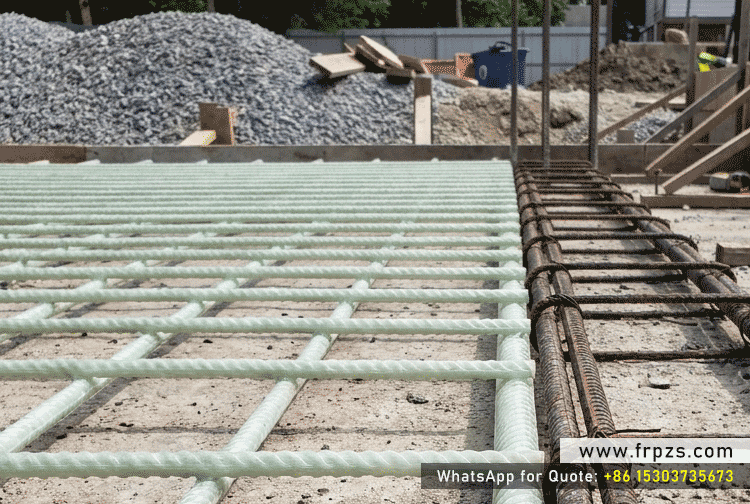
1. The Infrastructure Challenge: Why Engineers Seek Rebar Alternatives for Concrete
Reinforced concrete is the backbone of modern civil infrastructure, from marine port terminals and highway bridge decks to water treatment facilities. However, traditional carbon steel rebar possesses a fatal vulnerability: susceptibility to chloride-induced corrosion. When salt spray, de-icing chemicals, or seawater penetrate porous concrete over time, black steel rusts, expands up to six times its original volume, and causes catastrophic concrete spalling, cracking, and structural failure.
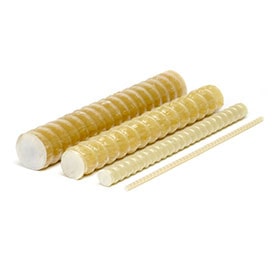
To break this costly cycle of premature repairs and bridge closures, civil engineers and marine contractors are specifying advanced rebar alternatives for concrete. Modern pultruded Glass Fiber Reinforced Polymer (GFRP) rebar has emerged as the premier non-corrosive concrete reinforcement, delivering 100% immunity to rust, superior tensile performance, and exceptional multi-decade durability in severe environments.
2. Performance Breakdown: Fiberglass Rebar vs Steel Rebar
When comparing fiberglass rebar vs steel rebar across structural design standards (such as ACI 440.11), composite reinforcement provides several game-changing material advantages:
1. Absolute Corrosion Resistance
Unlike epoxy-coated steel that fails when surface pinholes chip during installation, GFRP composite rebar is corrosion-resistant throughout its entire internal matrix. It provides the best rebar alternative for seawalls, coastal retaining structures, and salt-laden splash zones where traditional steel deteriorates within a decade.
2. Twice the Tensile Strength at 1/4 the Weight
Pultruded fiberglass rebar yields a ultimate tensile strength exceeding 1,000 MPa—more than double that of Grade 60 structural steel. Because its specific weight is 75% lighter than steel, field crews can carry heavy rebar grids manually, significantly reducing crane rental fees, labor fatigue, and transport costs.
3. Non-Conductive and Electromagnetic Neutrality
For specialized medical facilities housing MRI equipment, electrical utility vaults, automated toll gantries, and rail transit track beds, composite rebar eliminates induction heating and electromagnetic interference, providing zero electrical conductivity.
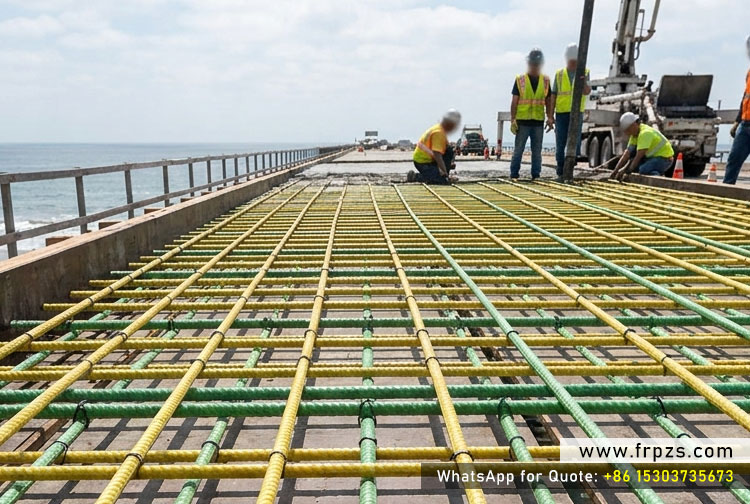
3. High-Impact Applications & Factory Sourcing Strategy
Pultruded composite reinforcement is rapidly transitioning from specialized niche projects into standard civil infrastructure blueprints:
- Marine and Seawall Infrastructure: Highly specified as composite rebar for coastal structures, dock aprons, seawater intake basins, and seawall capping beams.
- Transportation Infrastructure: Serves as proven rust proof rebar for bridge decks, barrier walls, continuously reinforced concrete pavement (CRCP), and precast box culverts.
- Industrial and Chemical Plants: Used in chemical containment dikes, acid storage tank foundations, and aluminum smelter potrooms.
Evaluating GFRP Rebar Price per Meter and Lifetime ROI
While evaluating raw material costs, buyers frequently inquire about the initial GFRP rebar price per meter compared to black steel. Although raw composite rebar carries a modest upfront premium over basic carbon steel, its 80+ year maintenance-free lifecycle eliminates recurring concrete repairs, sealants, and premature deck replacements—yielding a dramatically lower total cost of ownership (TCO).
To maximize purchasing efficiency, international contractors partner directly with a certified FRP rebar supplier China like Henan Zhongsheng Composite Materials, accessing multi-line production equipment, custom sand-coated or helical-thread surfaces, and direct factory-direct pricing.
Technical Summary & Engineering Data
4. Engineering Comparison Matrix: Rebar Alternatives for Concrete
The comparative matrix below outlines key physical, mechanical, and economic metrics across primary concrete reinforcement materials:
| Reinforcement Type | Tensile Strength (MPa) | Density & Weight Ratio | Corrosion Resistance | Electrical & Thermal Conductivity | Design Lifecycle & TCO ROI |
|---|---|---|---|---|---|
| Pultruded GFRP Fiberglass Rebar | > 1,000 MPa (2x Steel Strength) | ~ 2.0 g/cm³ (75% lighter than steel) | 100% Immune to chlorides, acid, and salt fog | Non-conductive / Electromagnetic neutral | Highest Lifetime ROI (80+ Year zero-maintenance life) |
| Standard Carbon Black Steel | ~ 400 - 500 MPa | ~ 7.85 g/cm³ (Heavy) | Poor (Expands & spalls concrete upon rusting) | Highly conductive | High TCO (Requires frequent repair every 10–15 yrs) |
| Epoxy-Coated Rebar (ECR) | ~ 400 - 500 MPa | ~ 7.85 g/cm³ (Heavy) | Moderate (Fails if coating scratches during placement) | Conductive | Medium TCO (Coating pinholes lead to localized corrosion) |
| Stainless Steel Rebar (316/2205) | ~ 550 - 750 MPa | ~ 8.0 g/cm³ (Heavy) | Excellent corrosion resistance | Conductive | Low ROI (Extremely high upfront material costs) |
Engineering Q&A
5. Technical Q&A: Rebar Alternatives for Concrete
Q1: What are the best non-corrosive rebar alternatives for concrete in coastal projects?
A: Pultruded Glass Fiber Reinforced Polymer (GFRP) rebar is widely considered the best rebar alternative for seawalls and marine structures. Because GFRP contains zero metallic elements, it cannot rust or corrode when exposed to harsh saltwater splash zones, eliminating concrete spalling entirely.
Q2: How does fiberglass rebar vs steel rebar compare in weight and installation speed?
A: Fiberglass rebar is 75% lighter than carbon steel rebar while offering twice the tensile strength. This dramatic weight reduction allows workers to lift and tie large rebar mats manually without heavy machinery, lowering jobsite labor costs and speeding up installation cycles by up to 50%.
Q3: Can GFRP rebar be bent on-site like traditional steel rebar?
A: No. Because GFRP rebar is made with thermosetting resin matrices, it cannot be cold-bent on the jobsite. Standard pre-formed factory bends (such as 90-degree L-bars, stirrups, and C-rings) are pre-manufactured during the pultrusion process and supplied directly by your FRP rebar supplier China.
Q4: How does the initial GFRP rebar price per meter compare to stainless steel rebar?
A: While GFRP composite rebar may carry a slight premium over basic untreated carbon steel, its GFRP rebar price per meter is significantly lower than high-grade stainless steel (316 or 2205 duplex) rebar, making composite rebar the most cost-effective long-term rust proof rebar for bridge decks and marine infrastructure.