+86 15303735673
 Jessica@frpzs.com
 Technical Data


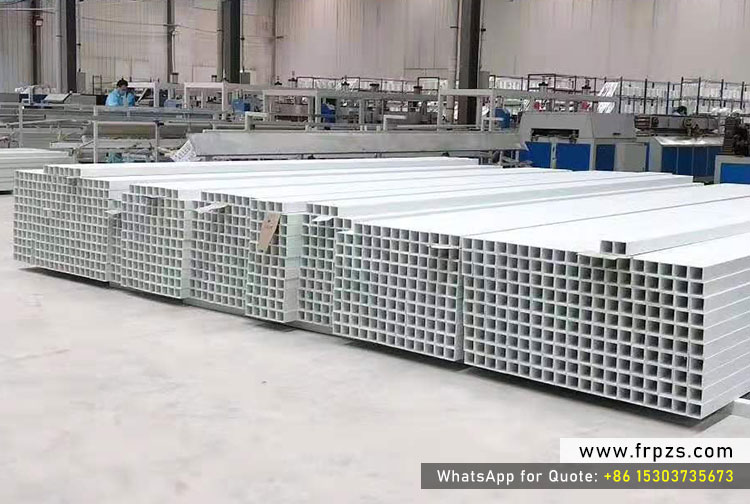
FRP composite materials manufacturing process in modern factory
FRP Composite Materials: Complete Guide to Properties, Manufacturing, and Industrial Applications
FRP composite materials (Fiber Reinforced Plastic composites) are advanced engineering materials that combine high-strength fibers with polymer resin matrices to create lightweight, durable, and corrosion-resistant solutions. Today, FRP composites are widely used in construction, infrastructure, renewable energy, transportation, chemical industries, and many other applications.
Compared with traditional materials such as steel, aluminum, and wood, FRP composites provide outstanding advantages including high strength-to-weight ratio, excellent corrosion resistance, low maintenance requirements, and long service life. These characteristics make FRP composite materials an important choice for modern engineering projects.
1. What Is FRP Composite Material?
FRP composite material is a type of fiber reinforced polymer composite made by combining continuous reinforcing fibers with a polymer resin matrix. The fibers provide mechanical strength and stiffness, while the resin transfers loads, protects the fibers, and provides environmental resistance.
The most commonly used reinforcement material in FRP composites is fiberglass, which is why FRP is also known as fiberglass reinforced plastic. Depending on performance requirements, different resin systems such as polyester, vinyl ester, epoxy, and polyurethane can be selected.
| Component | Function |
|---|---|
| Fiberglass Reinforcement | Provides high tensile strength and structural performance |
| Polymer Resin | Bonds fibers together and protects against environmental damage |
| Additives | Improves UV resistance, fire performance, and durability |
2. Components of FRP Composite Materials
A typical FRP composite consists of two primary components: reinforcement fibers and resin matrix.
Fiberglass Reinforcement
Fiberglass is the most widely used reinforcement material for FRP composites because of its excellent strength, chemical resistance, and cost efficiency. Continuous fiberglass rovings are commonly used in pultrusion manufacturing to produce structural FRP profiles.
Polymer Resin Matrix
The resin system determines many important characteristics of FRP composites, including chemical resistance, temperature performance, and durability.
- Polyester Resin: Cost-effective and widely used
- Vinyl Ester Resin: Excellent corrosion resistance
- Epoxy Resin: High mechanical performance
- Polyurethane Resin: High toughness and durability
3. Types of FRP Composite Materials
Based on different reinforcement fibers and manufacturing technologies, FRP composites can be divided into several categories.
| Type | Description |
|---|---|
| GFRP Composite | Glass Fiber Reinforced Polymer composite with excellent cost-performance ratio |
| CFRP Composite | Carbon Fiber Reinforced Polymer composite with extremely high strength |
| AFRP Composite | Aramid Fiber Reinforced Polymer composite for special applications |
4. Key Properties and Advantages of FRP Composites
High Strength-to-Weight Ratio
One of the biggest advantages of FRP composites is their excellent strength while maintaining lightweight characteristics. FRP structural profiles can provide comparable mechanical performance to steel while significantly reducing structural weight.
Excellent Corrosion Resistance
Unlike steel, FRP composite materials do not rust or corrode easily. They can withstand moisture, chemicals, saltwater environments, and harsh weather conditions.
Low Maintenance Requirements
Because FRP composites have strong durability and environmental resistance, they require less maintenance during their service life, helping reduce long-term operating costs.
Long Service Life
High-quality FRP composite products can provide decades of reliable performance in demanding industrial environments.
5. FRP Composite Manufacturing Process
The manufacturing process of FRP composites depends on product design and application requirements. For structural profiles, pultrusion is one of the most efficient and widely used manufacturing technologies.
FRP Pultrusion Process
- Fiberglass rovings are continuously pulled from supply racks.
- The fibers pass through a resin impregnation system.
- The saturated fibers enter a heated mold.
- The composite material cures inside the mold.
- The finished FRP profile is pulled, cut, and processed.
Pultrusion technology enables continuous production of high-quality FRP composite profiles with consistent mechanical properties and precise dimensions.
6. Industrial Applications of FRP Composite Materials
- Construction and Infrastructure: FRP beams, FRP channels, FRP structural profiles, bridge components
- Renewable Energy: Solar panel supports, wind power components, electrical insulation structures
- Transportation: Lightweight structural components and vehicle parts
- Chemical Industry: Corrosion-resistant platforms, ladders, and equipment supports
- Marine Engineering: Offshore structures and seawater-resistant components
7. Common FRP Composite Products
Modern FRP composite manufacturing technologies allow companies to produce a wide range of customized products.
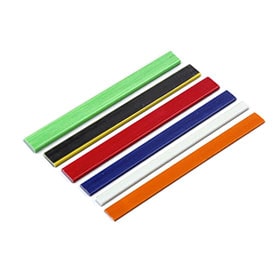
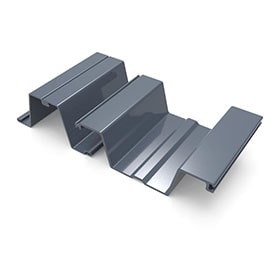
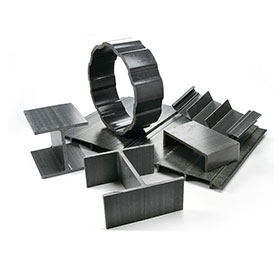
- FRP Pultruded Profiles
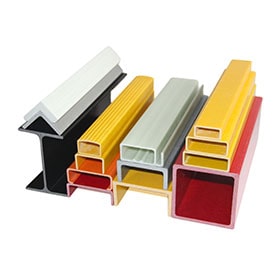
- FRP Square Tubes
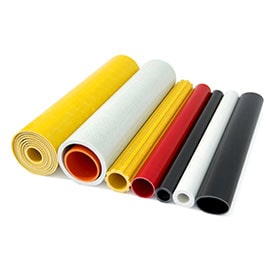
- FRP Round Tubes
- FRP I Beams
- FRP C Channels
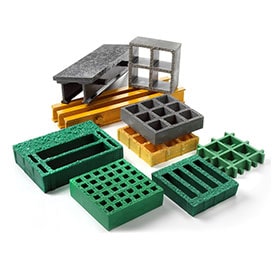
- FRP Grating
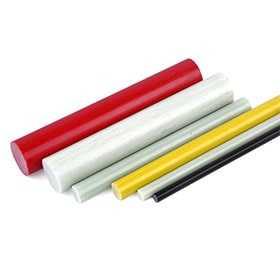
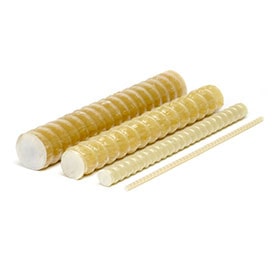
- FRP Rebar
- Custom FRP Composite Components
8. FRP Composite vs Traditional Materials
| Property | FRP Composite | Steel |
|---|---|---|
| Weight | Lightweight | Heavy |
| Corrosion Resistance | Excellent | Requires protection |
| Maintenance | Low | Higher |
| Electrical Insulation | Excellent | Conductive |
9. How to Choose a Reliable FRP Composite Manufacturer
Choosing the right FRP composite manufacturer is essential for ensuring product quality, engineering performance, and long-term reliability. A professional manufacturer should not only provide FRP composite products but also have strong capabilities in material research, mold design, manufacturing technology, and technical support.
1. Manufacturing Experience and Technical Capability
An experienced FRP composite manufacturer should have professional knowledge of fiberglass reinforcement, resin systems, composite design, and manufacturing processes. Advanced production equipment and strict quality control systems are important factors for stable product performance.
2. Customized FRP Composite Solutions
Different industries require different mechanical properties, dimensions, and environmental resistance. A reliable supplier should be able to provide customized FRP composite profiles, including special shapes, colors, surface treatments, and performance requirements.
3. Advanced Pultrusion Manufacturing Technology
For continuous FRP composite profiles, pultrusion technology is one of the most efficient production methods. Manufacturers with independent pultrusion equipment development capabilities can provide better control over product quality and production efficiency.
4. Quality Control and Testing
Professional FRP composite manufacturers should perform strict inspections, including dimensional testing, tensile strength testing, resin content testing, and environmental durability testing.
FRP Composite Manufacturing Capability at Zhongsheng
Henan Zhongsheng Composite Materials Co., Ltd. specializes in the research, development, manufacturing, and technical service of FRP composite materials and equipment.
With advanced FRP pultrusion production technology, professional mold design capabilities, and composite material engineering experience, Zhongsheng provides customized FRP composite solutions for construction, renewable energy, transportation, and industrial applications.
The company's products include FRP pultruded profiles, FRP structural components, FRP rebar production lines, FRP pultrusion machines, and customized composite products for global customers.
10. Future Development of FRP Composite Materials
The demand for FRP composite materials continues to grow as industries seek lightweight, durable, and sustainable alternatives to traditional materials.
Several trends are driving the future development of FRP composites:
- Increasing use of corrosion-resistant materials in infrastructure projects
- Growing demand for lightweight components in renewable energy and transportation
- Development of recyclable and environmentally friendly composite materials
- Expansion of automated FRP manufacturing technologies
With continuous improvements in material science and manufacturing technology, FRP composites will continue to play an important role in modern engineering solutions.
11. Frequently Asked Questions About FRP Composite Materials
What is FRP composite?
FRP composite is a fiber reinforced polymer material made by combining fiberglass reinforcement with polymer resin. It provides high strength, lightweight performance, corrosion resistance, and long service life.
What are FRP composite materials used for?
FRP composite materials are used in construction, infrastructure, renewable energy, transportation, chemical industries, marine engineering, and electrical applications.
Is FRP composite stronger than steel?
FRP composites have a higher strength-to-weight ratio than steel and provide better corrosion resistance. In some applications, FRP can replace steel while reducing structural weight and maintenance requirements.
How are FRP composites manufactured?
FRP composites can be manufactured through pultrusion, molding, filament winding, and other composite manufacturing processes. Pultrusion is commonly used for producing continuous FRP profiles.
What is the lifespan of FRP composite materials?
High-quality FRP composite products can provide decades of service life because they resist corrosion, moisture, chemicals, and environmental degradation.
What industries use FRP composite products?
FRP composite products are widely used in construction, solar energy, wind power, chemical processing, transportation, infrastructure, and industrial equipment.
Who is a professional FRP composite manufacturer?
A professional FRP composite manufacturer should provide complete solutions including material selection, product design, mold development, manufacturing, testing, and technical support.
Technical Summary & Engineering Data
FRP composite materials are advanced fiber reinforced polymer composites made from fiberglass reinforcement and resin matrix. They offer excellent strength-to-weight ratio, corrosion resistance, lightweight performance, and long service life. FRP composites are widely used in construction, renewable energy, transportation, and industrial applications. Through advanced manufacturing technologies such as pultrusion, manufacturers can produce high-performance FRP profiles, FRP structural components, and customized composite solutions.
| Feature | FRP Composite | Traditional Steel |
|---|---|---|
| Material Type | Fiber reinforced polymer composite | Metal alloy |
| Weight | Lightweight | Heavy |
| Corrosion Resistance | Excellent | Requires coating protection |
| Maintenance | Low maintenance | Regular maintenance required |
| Applications | Construction, energy, industrial, transportation | General structures |
Engineering Q&A
Frequently Asked Questions About FRP Composite Materials
What is FRP composite?
FRP composite is a fiber reinforced polymer composite material made by combining high-strength fibers, usually fiberglass, with a polymer resin matrix. The combination creates a lightweight material with excellent strength, corrosion resistance, durability, and long service life.
What are FRP composite materials made of?
FRP composite materials mainly consist of two components: reinforcing fibers and resin matrix. Fiberglass is the most commonly used reinforcement because it provides high tensile strength and excellent durability. The resin matrix, including polyester, vinyl ester, epoxy, or polyurethane resin, bonds the fibers together and protects them from environmental damage.
What is the difference between FRP and fiberglass?
Fiberglass refers to the reinforcing fiber used in composite materials, while FRP (Fiber Reinforced Plastic) refers to the complete composite material made by combining fiberglass with a polymer resin. In most industrial applications, fiberglass reinforced plastic is commonly called FRP composite.
What are the main properties of FRP composite materials?
FRP composite materials have several important properties, including high strength-to-weight ratio, lightweight design, corrosion resistance, electrical insulation, chemical resistance, low maintenance requirements, and excellent dimensional stability.
What are FRP composite materials used for?
FRP composite materials are widely used in construction, infrastructure, renewable energy, transportation, chemical processing, marine engineering, and industrial equipment. Common FRP products include FRP structural profiles, FRP beams, FRP tubes, FRP grating, FRP cable trays, and FRP reinforcement bars.
Why are FRP composites corrosion resistant?
FRP composites are corrosion resistant because the polymer resin matrix protects the reinforcing fibers from moisture, chemicals, saltwater, and harsh environmental conditions. Unlike steel materials, FRP composites do not rust, which makes them suitable for chemical plants, coastal structures, and outdoor applications.
Are FRP composites stronger than steel?
FRP composites and steel have different performance advantages. Steel provides high compressive strength and stiffness, while FRP composites offer a higher strength-to-weight ratio, superior corrosion resistance, and lower maintenance requirements. In many applications, FRP can replace steel when lightweight and corrosion-resistant structures are required.
How long do FRP composite products last?
High-quality FRP composite products can provide decades of service life when properly designed and manufactured. Their resistance to corrosion, chemicals, moisture, and environmental degradation allows them to maintain performance in demanding conditions.
How are FRP composites manufactured?
FRP composites can be manufactured through different processes, including pultrusion, compression molding, filament winding, hand lay-up, and resin transfer molding. For continuous structural FRP profiles, the pultrusion process is one of the most efficient and widely used manufacturing methods.
What is the FRP pultrusion process?
The FRP pultrusion process is a continuous manufacturing method where fiberglass rovings are pulled through a resin impregnation system and then into a heated mold. Inside the mold, the composite material cures and forms continuous FRP profiles with consistent dimensions and mechanical properties.
What products can be made from FRP composite materials?
FRP composite materials can be manufactured into many products, including FRP square tubes, FRP round tubes, FRP I beams, FRP C channels, FRP angles, FRP grating, FRP rebar, cable trays, and customized structural profiles.
What industries use FRP composite products?
FRP composite products are used in many industries, including renewable energy, construction, transportation, electrical engineering, chemical processing, marine applications, infrastructure projects, and industrial platforms.
Why choose FRP composite instead of traditional materials?
FRP composites provide advantages such as lightweight construction, excellent corrosion resistance, low maintenance costs, electrical insulation, and long-term durability. These benefits make FRP an effective alternative to traditional materials in many engineering applications.
How do I choose a reliable FRP composite manufacturer?
A reliable FRP composite manufacturer should have professional experience in composite material design, pultrusion technology, mold development, quality control, and customized production. Manufacturers with complete engineering capabilities can provide better solutions for different application requirements.
What is the future development trend of FRP composite materials?
The demand for FRP composite materials is expected to continue growing due to increasing requirements for lightweight structures, corrosion-resistant materials, renewable energy development, and sustainable engineering solutions. Advanced manufacturing technologies will further improve the performance and application range of FRP composites.