+86 15303735673
 Jessica@frpzs.com
 Technical Data


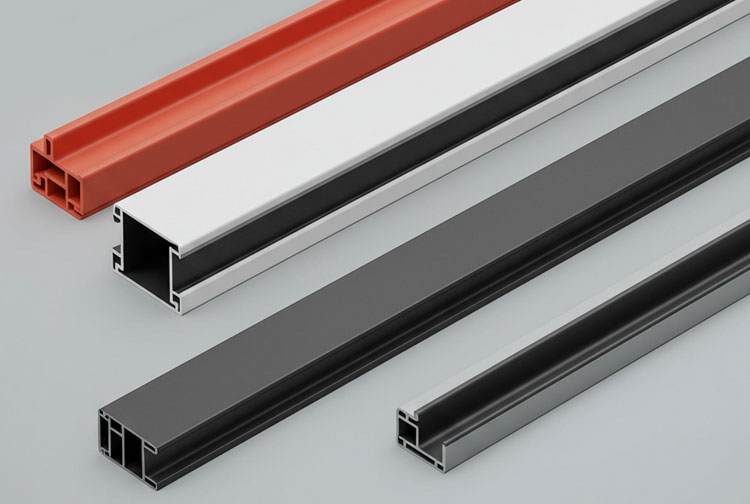
The Industrial Renaissance: Why Custom FRP Profiles are Dominating
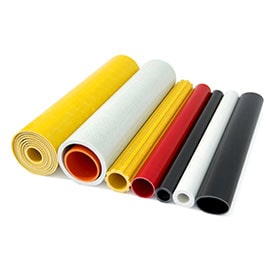
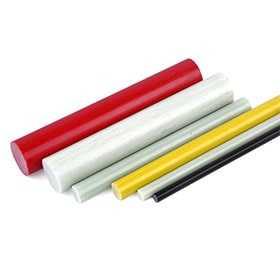
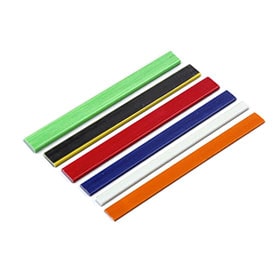
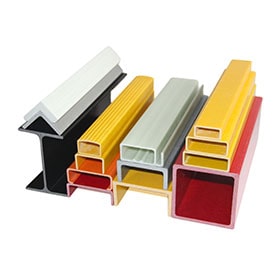
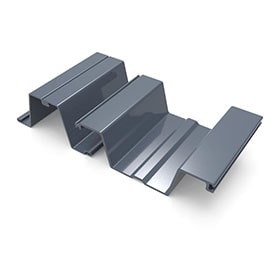
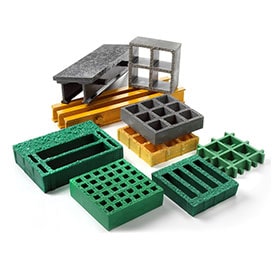
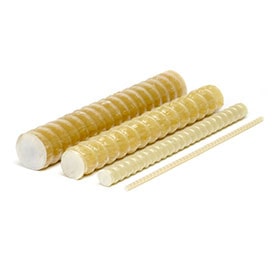
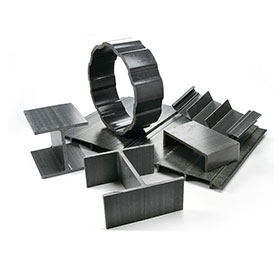
In the high-demand industrial landscape of 2026, the limitations of traditional metals—rust, weight, and conductivity—are no longer acceptable risks. Custom FRP Profiles (Fiber Reinforced Polymer) have evolved from niche alternatives to the definitive standard for structural integrity. At Henan Zhongsheng (FRPZS), we leverage advanced pultrusion technology to engineer custom fiberglass profiles that outperform steel in strength-to-weight ratios and bypass the corrosive decay of aluminum.
1. Defining Custom FRP: More Than Just a Shape
A custom FRP profile is a precision-engineered composite. Unlike standard off-the-shelf shapes, custom profiles are optimized for specific mechanical stresses and environmental exposures. By carefully selecting the fiber type (E-glass, High-Modulus glass, or hybrids) and the resin matrix (Polyester, Vinyl Ester, or Phenolic), we create a material that is literally "built for the mission."
2. Strategic Benefits: The Composite Advantage
Integrating custom FRP into your infrastructure provides a multi-layered advantage that extends far beyond initial aesthetics:
I. Unrivaled Corrosion Immunity
Where steel requires constant painting and galvanizing, FRP is naturally inert. It withstands prolonged exposure to acids, alkalis, saltwater, and moisture without oxidation, making it the essential choice for chemical processing and wastewater treatment.
II. Strategic Weight Reduction (75% Lighter than Steel)
FRP allows for massive weight savings without sacrificing structural load capacity. This facilitates easier logistics, faster installation with lighter cranes, and lower overall dead load on foundations.
III. Electromagnetic Transparency & Insulation
Non-conductive and non-magnetic, custom fiberglass profiles are critical for 5G telecommunications, MRI facilities, and high-voltage power substations where electrical safety and signal interference are paramount.
IV. UV Stability & Impact Memory
Our 2026 formulations include advanced UV inhibitors and high-tenacity resins that allow profiles to absorb impact and return to their original shape, unlike metals that permanently deform.
3. Sector Applications: Transforming Global Industries
| Industry | Custom FRP Usage | The Engineering Impact |
|---|---|---|
| Oil & Gas | Offshore platforms, walkways | Saltwater resistance and fire-retardant safety. |
| Renewable Energy | Solar frame supports | 25+ year lifespan with zero maintenance. |
| Transportation | Chassis components, bus panels | Fuel efficiency through mass reduction. |
| Cooling Towers | Internal structural frames | Resistance to constant humidity and biocides. |
4. The Economics of Quality: Value over Initial Cost
While the initial purchase price of Custom FRP Profiles may exceed low-grade carbon steel, the Total Cost of Ownership (TCO) tells a different story. When you eliminate maintenance labor, coating costs, and premature replacement cycles, FRP emerges as the most cost-effective material over a 15-25 year project lifecycle.
10 Professional FAQs: Implementing Custom FRP Profiles
Q1: "Can I customize the fire-rating of the profile?"
A: Yes. We can use Phenolic resins or add specific additives to Polyester/Vinyl Ester to meet Class 1 fire ratings (ASTM E84) and low smoke density standards.
Q2: "What is the largest cross-section you can manufacture?"
A: Our pultrusion lines can handle large-scale structural shapes, including beams up to 300mm+ in height. For larger custom sections, we can design modular interlocking profiles.
Q3: "How does UV radiation affect custom FRP over time?"
A: We integrate UV stabilizers into the resin and can apply a synthetic surface veil during pultrusion to create a resin-rich barrier that prevents "fiber blooming."
Q4: "Is FRP recyclable in 2026?"
A: Yes. Modern recycling technology allows FRP to be ground and used as high-strength filler in new composite products or cement, supporting the circular economy.
Q5: "Can you match specific RAL colors for architectural use?"
A: Absolutely. We pigment the resin matrix throughout the profile, ensuring color consistency that won't flake or peel like painted steel.
Q6: "How do custom profiles handle extreme cold?"
A: Excellent. FRP does not become brittle in sub-zero temperatures; in fact, its tensile and flexural properties often increase slightly in cold conditions.
Q7: "Can we get high-stiffness profiles for long spans?"
A: Yes, by utilizing high-modulus fibers or carbon fiber hybrids, we can engineer profiles with the stiffness required for bridge spans and large industrial trusses.
Q8: "Do I need special tools to install these profiles?"
A: Standard carbide-tipped tools are sufficient for cutting and drilling. Because FRP is lightweight, you can often save significantly on heavy machinery rental during installation.
Q9: "Are custom profiles resistant to animal and biological growth?"
A: Yes. FRP is non-nutritive, meaning it doesn't support the growth of mold, mildew, or algae, and it is resistant to termite and insect damage.
Q10: "What is the lead time for a new custom die?"
A: Typically, custom die design and manufacturing take 3-4 weeks. Once the die is validated, we can move immediately into high-volume production.
Strategic Composite Consultation with Zhongsheng
Optimize your project's performance with the engineering expertise of Henan Zhongsheng Composite Materials Co., Ltd. Led by Jessica Huang, our team provides global support for mission-critical custom fiberglass profiles.
Partner with us today:
- Technical Lead: Jessica Huang
- Direct Engineering RFQ: Jessica@frpzs.com
- Global WhatsApp: +86 15303735673