+86 15303735673
 Jessica@frpzs.com
 Technical Data


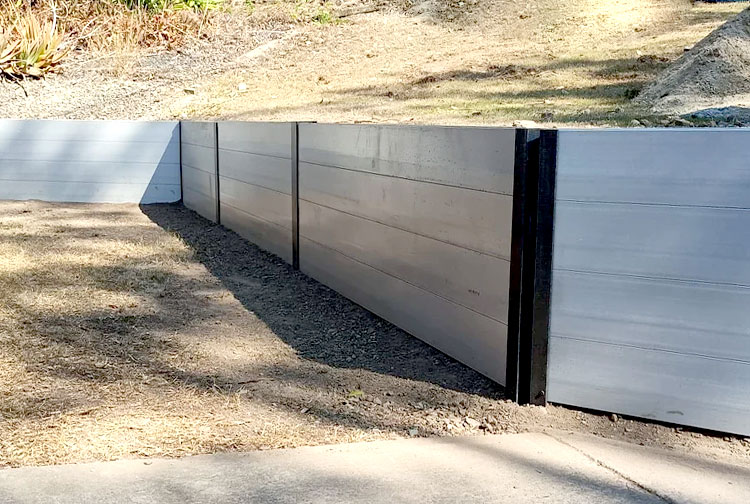
Strategic Engineering Insight (2026): As global infrastructure projects increasingly prioritize Total Cost of Ownership (TCO), FRP retaining walls have emerged as the premier choice for aggressive environments. By integrating a UV-stabilized polymer matrix with high-density glass fibers, these composite retaining systems solve the historical failure modes of concrete spalling and timber decay. Especially in the high-salinity Australian coastal zones, the switch to FRP delivers a 50-year maintenance-free lifespan that traditional materials simply cannot match.
1. The Mechanics of FRP Retaining Systems
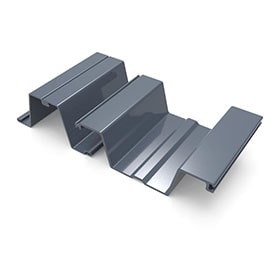
An FRP retaining wall is a sophisticated structural solution designed to manage lateral earth pressure (defined by the coefficient $K_0$). Unlike heavy gravity walls, our fiberglass wall panels utilize the high tensile strength of pultruded composites to provide superior flexural rigidity at a fraction of the weight of reinforced concrete.
Through the pultrusion process, Henan Zhongsheng ensures that the fiber volume fraction is optimized for load-bearing performance. This results in a material that is 75% lighter than steel but capable of resisting the hydrostatic and seismic forces typical of modern industrial sites.
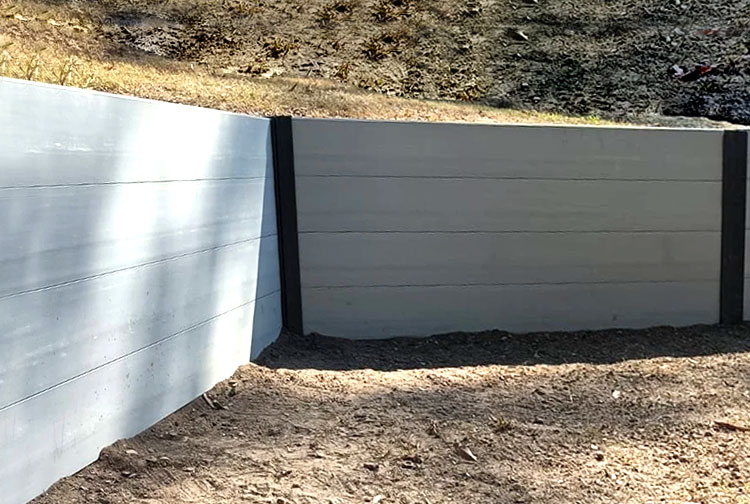
2. Competitive Matrix: Why FRP is Replacing Concrete & Timber
In the 2026 B2B construction market, selecting materials based on longevity is a fiscal imperative. Composite retaining systems outperform legacy materials across every critical engineering metric:
- Corrosion Shielding: Concrete suffers from "Concrete Cancer" (rebar oxidation) in salt-heavy zones. FRP is non-metallic and inherently immune to electrochemical decay.
- Eco-Friendly Integrity: Unlike treated timber which leaches CCA and arsenic into the soil, FRP is chemically inert and safe for sensitive coastal ecosystems.
- Logistical Efficiency: Because FRP panels are significantly lighter, they can be transported and installed with light machinery, reducing On-Site Risk (HSE) and fuel costs.
3. 50-Year Performance Data (Material Comparison)
| Engineering Metric | Traditional Timber | Reinforced Concrete | Zhongsheng FRP Solution |
|---|---|---|---|
| Chemical Resistance | Poor (Acid/Fungi) | Moderate (Sulfate Attack) | Total Immunity (pH 2-12) |
| Specific Strength | Low | Moderate | High (Reinforced Matrix) |
| UV Degradation | High (Cracking) | Minimal | Zero (Integrated UV Veil) |
| TCO (50 Years) | Extremely High (Replacement) | High (Surface Repairs) | Lowest (Maintenance-Free) |
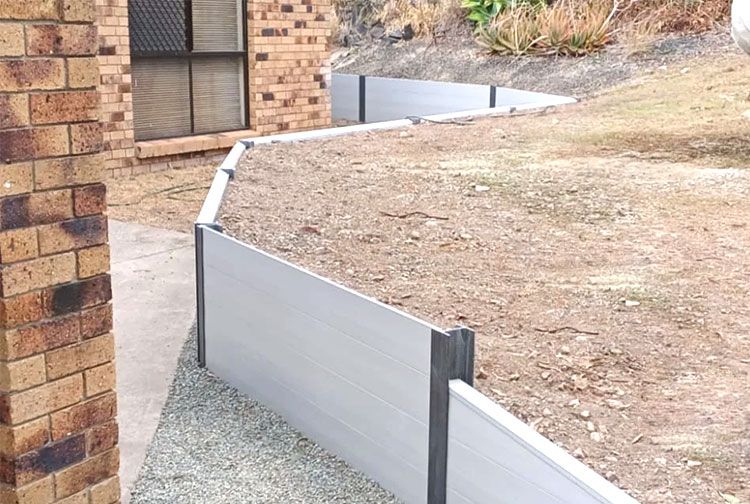
Technical FAQ: Engineering FRP Retaining Walls
Q1: How do FRP retaining walls handle hydrostatic pressure during heavy floods?
A: Our fiberglass wall panels are designed with precision-integrated drainage or can be easily perforated for weep holes without compromising their structural fibers. The composite material does not rot or soften when saturated, maintaining its full design load during flood events.
Q2: Can the panels be color-matched to modern architectural designs?
A: Absolutely. We can incorporate high-grade pigments (Sandstone, Grey, Forest Green) directly into the resin during pultrusion. This creates a UV-stable color that won't flake, peel, or require repainting like concrete or timber.
Q3: What anchoring system is required for high-load industrial walls?
A: For walls exceeding 1.5 meters, we recommend using pultruded FRP tie-back anchors or stainless steel deadman systems. The high bearing strength of our composite retaining systems allows for secure bolt-through connections without material tearing.
Q4: Why is FRP better for the 2026 "Carbon Net Zero" mandates?
A: The energy required to pultrude fiberglass is significantly lower than that of smelting steel or firing cement. Additionally, the 75-year lifespan avoids the massive carbon costs associated with the demolition and reconstruction of failing timber or concrete walls.
Q5: Can these walls be used in "Dielectric Zones" (Near Substations)?
A: Yes. FRP retaining walls are natural insulators. They provide a safe, non-conductive barrier in electrical utility zones, preventing stray current issues that lead to rapid galvanic corrosion in metallic systems.
Q6: How does Henan Zhongsheng ensure consistent product quality for global exports?
A: We strictly adhere to ASTM and ISO 9001 standards. Every batch of our fiberglass wall panels undergoes flexural and impact testing to ensure they meet the rigorous demands of the Australian and international construction industries.
Partner with the World's Leading FRP Innovators
At Henan Zhongsheng Composite Materials Co., Ltd., we deliver the durability that modern landscapes demand. From coastal seawalls to industrial soil retention, our FRP retaining walls are engineered to outperform and outlast traditional legacy materials.
Contact Jessica Huang for Technical Drawings & Project Quotes:
- Email: Jessica@frpzs.com
- WhatsApp: +86 15303735673
- Expertise: Custom load tables, resin selection (Vinyl Ester/Polyester), and global logistics support.