+86 15303735673
 Jessica@frpzs.com
 Technical Data


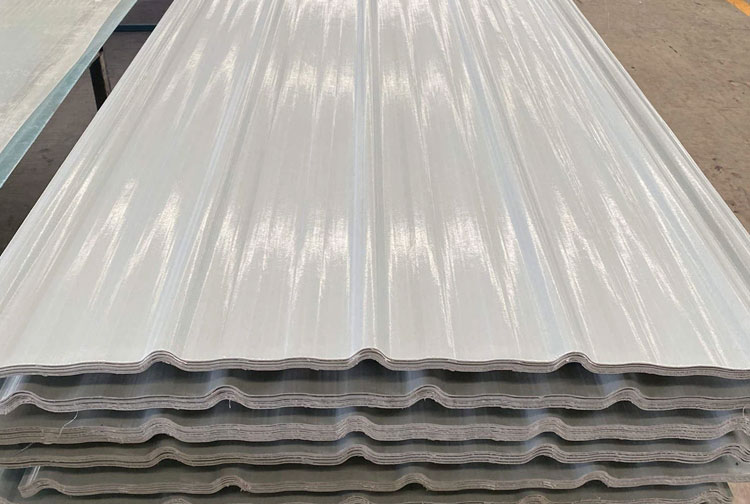
Engineering Brief: While many search for the full form of FRP sheet, the true value lies in its definition as a Fiber Reinforced Polymer. Unlike homogeneous materials like steel, FRP is a heterogeneous composite where high-modulus fibers provide tensile strength and a polymer matrix ensures load transfer and corrosion protection. Henan Zhongsheng, a premier FRP pultrusion manufacturer, analyzes why this material has transitioned from aerospace to become the backbone of corrosive-resistant construction.
1. Deciphering the Full Form: The Science of FRP Sheets
The full form of FRP sheet—Fiber Reinforced Polymer—is a precise description of its binary composition.
- The Fiber (The Backbone): Usually glass fibers (FRP/GRP) or carbon fibers (CFRP). These provide the high tensile strength and stiffness. In pultruded sheets, these fibers are aligned to optimize load-bearing in specific directions.
- The Polymer (The Shield): Thermosetting resins like Polyester, Vinylester, or Epoxy. The matrix binds the fibers together, protects them from environmental degradation, and determines the Chemical Resistance of the final panel.
This "Synergistic Effect" creates a material with a Strength-to-Weight Ratio that traditional steel or concrete cannot replicate, making FRP sheets indispensable for seismic-resistant and lightweight structures.
Structural Benchmarking: FRP vs. Traditional Materials
| Material Property | Testing Standard | FRP Sheet (Pultruded) | Structural Steel |
|---|---|---|---|
| Specific Strength | N/A (Strength/Weight) | Extremely High | Moderate |
| Corrosion Mechanism | Environmental Exposure | Immune (Non-metallic) | Oxidation (Rust) |
| Electrical Insulation | ASTM D149 | Dielectric (Safe) | Conductive (Risky) |
| Thermal Conductivity | ASTM C177 | Low (Insulating) | High (Thermal Bridge) |
| Service Life | LCC Analysis | 50+ Years | 20-30 Years (Protected) |
2. Why FRP Sheets Matter: The Construction Revolution
A. Elimination of the "Rust Cycle"
In coastal infrastructure or wastewater treatment plants, steel starts degrading the day it is installed. The full form of FRP sheet signifies a material that does not participate in electrochemical corrosion. For architects, this means the end of expensive zinc coatings and recurring painting cycles, drastically lowering the Total Cost of Ownership (TCO).
B. Dynamic Load & Vibration Damping
FRP panels possess a unique ability to dissipate energy. In pedestrian bridges or high-traffic industrial floors, the Damping Ratio of Fiber Reinforced Polymer is significantly higher than that of steel or concrete, resulting in quieter environments and reduced structural fatigue over decades of use.
3. Real-World Engineering Applications
Beyond being just "roofing," FRP sheets in construction serve critical roles:
- Structural Retrofitting: Strengthening old concrete columns with high-tensile FRP wraps.
- Sub-structure Protection: Using FRP panels as permanent formwork in marine environments to prevent chloride ingress.
- Electromagnetic Transparency: Ideal for 5G base station enclosures and MRI rooms where steel interference must be zero.
Technical FAQ: Understanding FRP Performance
Q1: What is the full form of FRP sheet in the context of GRP?
A: Technically, GRP (Glass Reinforced Plastic) is the most common subset of the FRP (Fiber Reinforced Polymer) family. While GRP specifically uses glass fibers, FRP is the broader term that includes carbon or aramid reinforcement.
Q2: Can FRP sheets replace steel in load-bearing walls?
A: Yes, in many applications. While steel has a higher absolute modulus, pultruded FRP structural panels can handle significant loads while being 75% lighter, which simplifies foundation requirements and reduces seismic mass.
Q3: How do FRP sheets handle fire safety in buildings?
A: By incorporating alumina trihydrate (ATH) or other flame retardants into the polymer matrix, FRP sheets can achieve Class A fire ratings (ASTM E84), making them safe for indoor industrial use.
Q4: Do FRP sheets degrade in direct sunlight?
A: Quality FRP manufacturers like Henan Zhongsheng apply a Surface Veil and UV-stabilized resins. This prevents "fiber blooming" and ensures the sheet maintains its mechanical properties for over 30 years in outdoor settings.
Q5: Why is FRP called a "sustainable" material?
A: Sustainability is measured by longevity. Because FRP sheets do not need replacement every 15 years like wood or steel, they reduce the lifecycle consumption of raw materials and energy.
Q6: Is installation of FRP sheets complex?
A: On the contrary, it is faster. Because they are lightweight, FRP sheets require less heavy lifting equipment and can be cut using standard carbide tools on-site, significantly cutting down on labor hours.
Expert FRP Manufacturing by Henan Zhongsheng
At Henan Zhongsheng Composite Materials Co., Ltd., we understand that the full form of FRP sheet represents a commitment to engineering excellence. Our pultruded profiles and panels are tested to international standards, ensuring your construction project is built for the next century. Whether you need custom resins or specific structural profiles, our team is ready to deliver.
Contact Jessica Huang for Technical Specification & Quotations:
- Email: Jessica@frpzs.com
- WhatsApp: +86 15303735673
- Global Presence: Trusted supplier for infrastructure projects in India, Australia, Europe, and beyond.