+86 15303735673
 Jessica@frpzs.com
 Technical Data


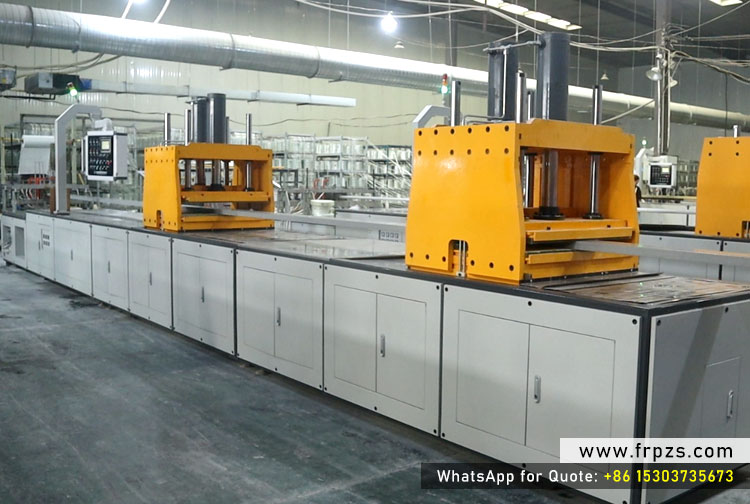
Strategic Selection: How Your Product Shape Dictates Your FRP Rebar Machine Configuration
In the world of composite manufacturing, efficiency is not just about speed—it's about matching the right mechanical force to the specific geometry of your product. A common dilemma for many facility managers is deciding between a caterpillar-driven or a hydraulic-driven traction system. At Henan Zhongsheng Composite Material Co., Ltd, we believe that understanding the synergy between the machine's drive and the product's shape is the key to minimizing scrap and maximizing ROI.
1. The Precision Choice: Caterpillar Traction for High-Speed Continuity
Caterpillar traction systems are designed for high-volume, standardized production where surface integrity and constant speed are non-negotiable. By utilizing a dual-track synchronous drive, these systems provide a continuous pull that is essential for maintaining the internal structural tension of fiber-reinforced polymers.
Ideal Applications for Caterpillar Systems:
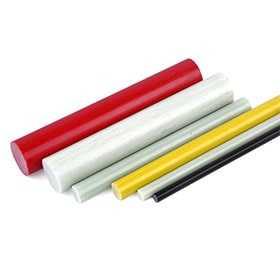
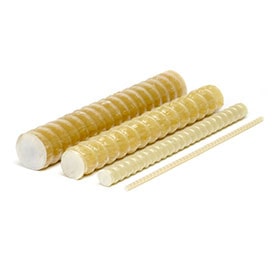
- FRP Rebar & Rods: Perfect for small to medium diameter fiberglass rebar (4mm - 32mm) where consistent sand-coating or ribbing requires a steady, vibration-free pull.
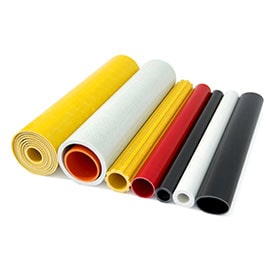
- Thin-Walled Profiles: The large-area flexible clamping prevents crushing or surface deformation on thin tubes and window profiles.
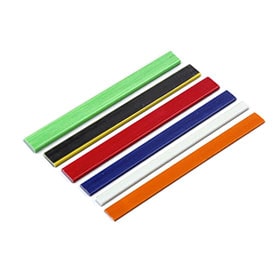
- Standard Structural Shapes: Optimized for the mass production of U-channels, flat bars, and square tubes with symmetrical cross-sections.
2. The Power Choice: Hydraulic Traction for Heavy-Duty Structural Loads
When the production requirement shifts toward massive cross-sections and thick walls, raw pulling power becomes the priority. Hydraulic reciprocating systems provide the explosive force needed to overcome the high friction levels found in large-scale pultrusion dies.
Ideal Applications for Hydraulic Systems:
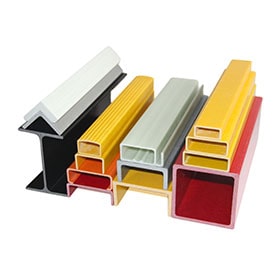
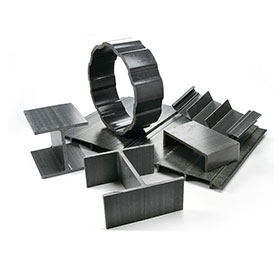
- Large-Scale Infrastructure: Thick-walled square tubes, heavy-duty H-beams, and large industrial channels used in civil engineering.
- Solid Heavyweight Products: Large diameter solid rods and load-bearing blocks where the weight of the profile itself requires high-torque step-by-step traction.
- Complex Irregular Shapes: Short, thick, or asymmetrical profiles where precision pulling speed is secondary to consistent, high-pressure clamping.
Comparison Summary: Aligning Technology with Production Goals
| Selection Factor | Caterpillar Traction | Hydraulic Reciprocating System |
|---|---|---|
| Clamping Method | Large-area flexible clamping. | Localized high-pressure clamping. |
| Surface Sensitivity | High (Protects thin walls). | Low (Focuses on grip strength). |
| Production Speed | High-speed continuous[cite: 13]. | Intermittent/Step-by-step. |
| Maintenance Priority | Track alignment & belt wear. | Hydraulic pressure & seal integrity. |
Engineering Excellence from Henan Zhongsheng
As a specialized manufacturer, Henan Zhongsheng Composite Material Co., Ltd understands that the best machine is the one tailored to your specific market demand. Whether you are setting up a high-speed FRP Rebar Machine for the construction sector or a heavy-duty hydraulic line for industrial bridges, our technical team ensures your traction system is optimized for your success.
"Precision in traction is the foundation of quality in composites. We build the machines that build your reputation."
Consult Our Application Engineers
Planning to upgrade your facility? Jessica is available to provide a full feasibility study based on your product's cross-section drawings and required output speeds.
WhatsApp: +86 15303735673
Email: Jessica@frpzs.com
Official Technical Support: www.frpzs.com