+86 15303735673
 Jessica@frpzs.com
 Technical Data


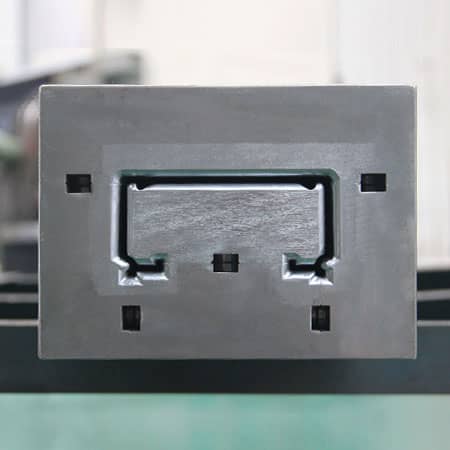
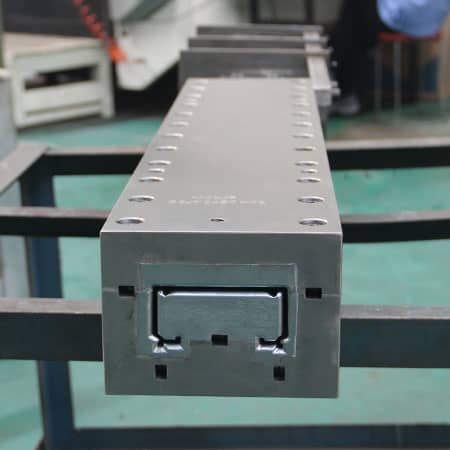
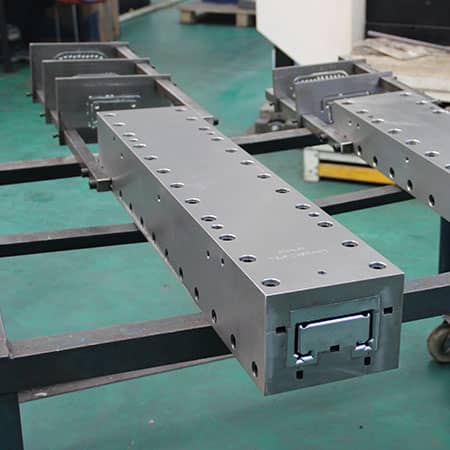
The Foundation of Structural Composites: C-Channel Dies
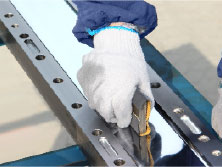
In the heavy industrial and construction markets of 2026, Fiberglass C-Channels serve as the primary structural alternative to corrosive steel beams. The quality, dimensional stability, and load capacity of these channels are dictated by the precision of the Pultrusion Die. A 100*47mm channel die must manage the complex transition of fibers at the corners where the web meets the flange. At Henan Zhongsheng (FRPZS), we engineer our dies to eliminate "dry spots" and ensure consistent wall thickness, providing structural profiles that exceed international safety codes.
1. The Mechanics of Channel Pultrusion
Manufacturing a pultruded channel is a delicate balance of thermal management and mechanical alignment. Our 100*47mm dies are designed with three fundamental principles:
- Corner Reinforcement Logic: The die entrance is tapered to specifically compress the fabric mats into the 90-degree corners of the C-channel, preventing structural weakness in high-stress areas.
- Differential Heating Zones: Since the 47mm flanges and the 100mm web may cure at slightly different rates due to their orientation, our dies feature localized heating controls to prevent warping or "twisting" of the profile.
- Hydraulic Sealing: The mould is precision-ground to withstand the high internal expansion pressures generated as the resin changes phase from liquid to solid, ensuring a dense, void-free composite.
2. Material Selection & Surface Engineering
Continuous production of structural FRP profiles is highly abrasive. To ensure a 50,000+ meter lifespan, we utilize premium metallurgy:
- Cr12 / Cr12MoV: High-carbon steel that offers the ideal balance of toughness and surface hardness (HRC 58-62) after vacuum heat treatment.
- H13 Tool Steel: The industry standard for high-performance pultrusion, especially when using Vinyl Ester or Polyurethane resins.
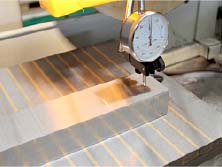
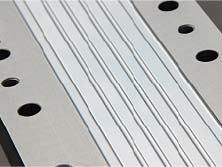
- Mirror Polishing (Ra 0.012): The internal cavity is polished to a mirror finish. This reduces pulling friction, prevents "mold fouling," and ensures the profile has the high-gloss, professional finish required for architectural use.
3. Technical Parameters & Execution Standards
| Parameter Specification | Zhongsheng Standard Value | Industrial Significance |
|---|---|---|
| Channel Dimensions | 100 mm x 47 mm | Standard structural C-channel sizing. |
| Mould Material | Cr12 / H13 / 38CrMoAI | Optimized for abrasion & heat. |
| Cavity Hardness | HRC 55 - 62 | Immune to glass fiber scouring. |
| Surface Smoothness | Ra 0.025 ~ 0.012 | Ensures low pulling force (Friction reduction). |
| Straightness | ≤ 0.02 mm / meter | Critical for long-span structural alignment. |
| Plating Thickness | 0.04 - 0.05 mm | Hard chrome layer for chemical resistance. |
4. Optimized Performance Factors
- Fiber Content Management: Designed to accommodate up to 70% glass content for maximum tensile strength in structural beams.
- Resin Compatibility: Fully compatible with Polyester, Vinyl Ester, Epoxy, and Phenolic systems, including fire-retardant additives.
- Speed Optimization: The ultra-smooth cavity allows for pultrusion speeds of 0.5 - 1.2 m/min without sacrificing surface quality.
10 Professional FAQs: Fiberglass Channel Die Engineering
Q1: "Can this die be customized for a specific flange angle?"
A: Yes. While 90 degrees is standard, we can customize the die to produce tapered or angled flanges for specialized structural joints.
Q2: "What is the benefit of H13 steel over 40Cr for a channel die?"
A: H13 offers much higher red-hardness and thermal fatigue resistance, making it essential for high-speed runs and resins with high exothermic peaks.
Q3: "How do you prevent 'resin buildup' in the corners of the channel die?"
A: Through mirror-polishing and ensuring the hard-chrome plating is perfectly uniform in the corners, which prevents the resin from 'keying' into the metal.
Q4: "Does the die include pre-former plates?"
A: Yes. Every structural die we ship comes with a custom-engineered set of pre-former plates to guide the mats into the C-channel shape before entering the die.
Q5: "Can I use the same die for different wall thicknesses?"
A: For channels, the wall thickness is fixed by the cavity. To change thickness, a new die or a modified cavity is required to ensure structural integrity.
Q6: "How do you maintain straightness in a 100mm wide channel?"
A: We use precision-ground guide rails and 4-zone heating to ensure balanced curing, which eliminates internal stresses that cause twisting.
Q7: "Is the chrome plating resistant to acidic resins?"
A: Yes. Our industrial hard chrome is chemically inert and protects the tool steel from the corrosive components of vinyl ester and phenolic resins.
Q8: "What is the typical lead time for a 100*47mm channel die?"
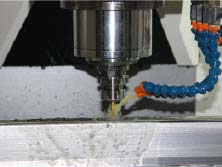
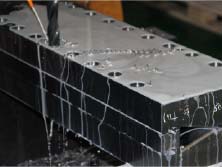
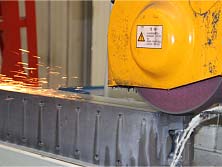
A: Production typically takes 18-22 days, including CNC machining, vacuum heat treatment, and mirror polishing.
Q9: "Do you offer chrome re-plating services for worn dies?"
A: Yes. We can strip, re-polish, and re-plate your existing dies to extend their service life for another 50,000 meters.
Q10: "How do I calculate the resin shrinkage for a new channel design?"
A: Our engineering team uses simulation software to account for the 1-3% shrinkage typical of composite resins, adjusting the die cavity dimensions accordingly.
Structural Tooling Consultation
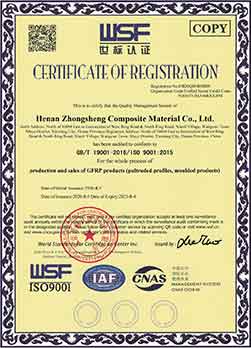
Empower your infrastructure projects with Henan Zhongsheng Composite Materials Co., Ltd. Led by Jessica Huang, our tooling division is the global leader in high-precision FRP Pultrusion Dies.
Get a technical quote for your structural die:
- Tooling Specialist: Jessica Huang
- Direct Engineering Email: Jessica@frpzs.com
- Global WhatsApp: +86 15303735673