+86 15303735673
 Jessica@frpzs.com
 Technical Data


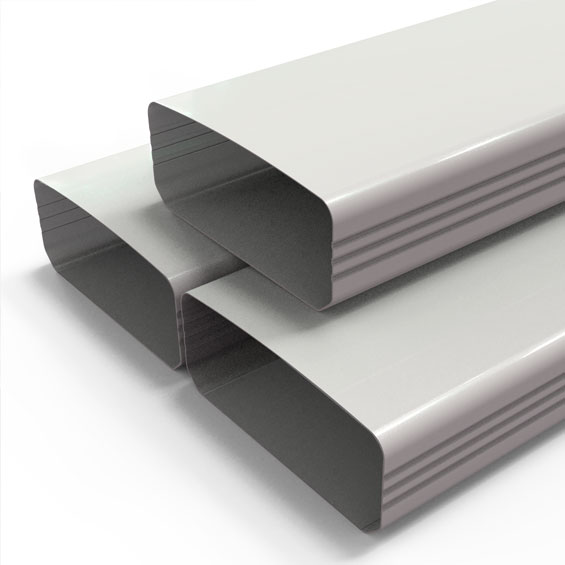
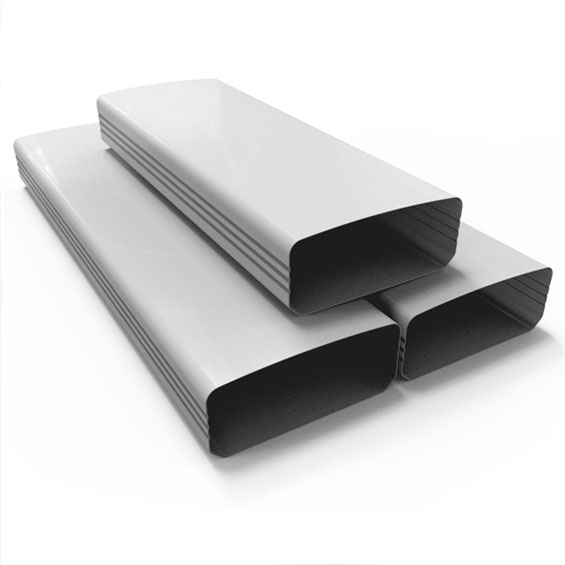
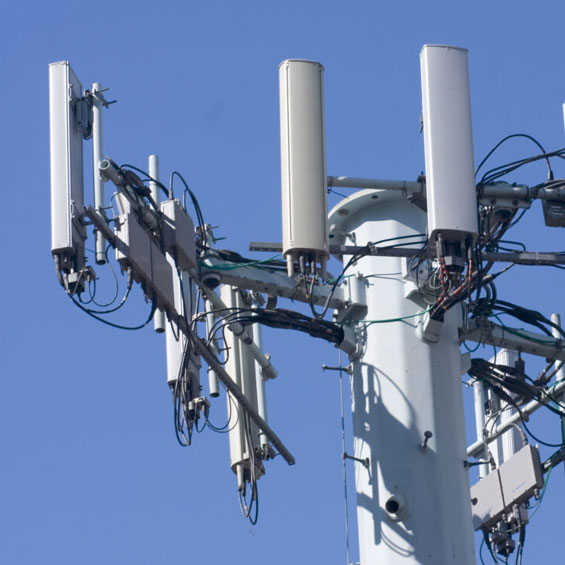
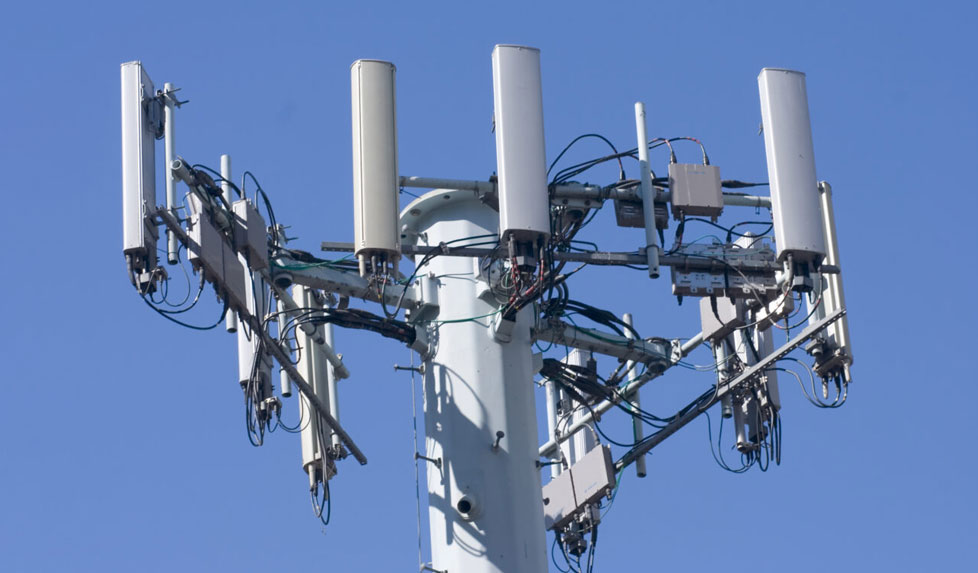
Future-Proofing Telecom: High-Performance RF-Transparent Radomes.
Advanced Protection for Next-Gen Telecommunications
In the 2026 telecommunications landscape, as 5G-Advanced and satellite-to-ground networks become the standard, the protective "skin" of the antenna—the Radome—must perform with absolute precision. A Fiberglass Radome (FRP/GRP) is no longer just a physical shield; it is a critical component of the RF path. At Henan Zhongsheng (FRPZS), we engineer radomes that prioritize electromagnetic transparency across all bands (Sub-6GHz to Millimeter Wave) while providing a fortress against the elements.
1. The Science of RF Transparency (Dk & Df Control)
For 5G and future 6G systems, signal loss at the radome level can significantly reduce cell coverage and data throughput. Our fiberglass formulation is optimized for:
- Low Dielectric Constant (Dk): Minimized Dk values ensure that the electromagnetic waves pass through the radome with minimal phase distortion.
- Low Loss Tangent (Df): Our specialized resin systems are purified to reduce dielectric loss, meaning less signal energy is converted into heat within the radome wall.
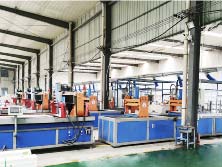
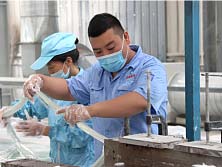
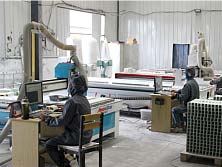
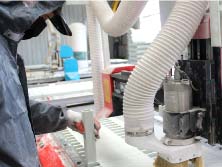
- Wall Thickness Tuning: We utilize precision pultrusion and filament winding to ensure wall thickness is consistent, preventing internal reflections that cause "echoes" and signal interference.
2. Structural Integrity & Environmental Resilience
Telecommunications towers are often located in the world’s most demanding environments. Our radomes are built to endure:
- Aerodynamic Stability: Engineered to withstand wind speeds exceeding 200 km/h, reducing the vibration load on sensitive antenna positioning systems.
- UV & Thermal Management: Using high-grade UV inhibitors and heat-reflective coatings, we prevent material degradation and keep internal antenna temperatures stable.
- Corrosion & Ice Resistance: FRP is naturally immune to salt spray in coastal areas and features a low-adhesion surface to prevent heavy ice build-up in arctic climates.
3. Fiberglass Radome Technical Specifications
| Technical Parameter | Standard Value (5G Optimized) | Operational Benefit |
|---|---|---|
| Material Matrix | Low-Loss Resin + E-Glass/S-Glass Fiber | Optimized for high-frequency透波 (transparency). |
| Dielectric Constant (Dk) | 3.5 - 4.5 @ 10GHz | Minimal phase shift and reflection. |
| Loss Tangent (Df) | < 0.005 @ 10GHz | High power transmission efficiency. |
| RF Transmission Loss | < 0.5 dB (depending on frequency) | Maximizes cell tower coverage area. |
| Wind Resistance | Level 12+ Typhoon Resistance | Ensures network uptime during storms. |
| Flammability | UL94-V0 / ASTM E84 Class A | Critical for urban and forest tower sites. |
4. Specialized Applications
- 5G Small Cells: Compact, aesthetically pleasing radomes for urban street-level deployments.
- Macro Base Stations: Large cylindrical or rectangular shrouds for multi-band antenna arrays.
- Satellite Communications (SATCOM): High-precision spherical or parabolic covers for ground stations.
- Camouflage Solutions: Radomes designed as artificial trees, chimneys, or architectural features to blend into urban environments.
10 Professional FAQs: Telecom Radome Technology
Q1: "How does the radome affect 5G millimeter-wave (mmWave) signals?"
A: mmWave is highly sensitive to obstacles. We use ultra-thin, high-strength pultruded skins with specialized resins to keep attenuation below 1dB at 28GHz.
Q2: "Can you provide custom colors to match local building codes?"
A: Yes. We offer a full range of RAL/Pantone colors. Our pigments are non-metallic to ensure zero RF interference.
Q3: "What is the expected lifespan of a Zhongsheng FRP Radome?"
A: Our radomes are designed for a 20-25 year service life, matching the typical lifecycle of tower infrastructure.
Q4: "Is the fiberglass material fire-retardant?"
A: Absolutely. We can formulate radomes to meet UL94-V0 or M1 fire safety standards, which is mandatory for many urban installations.
Q5: "How do you test for RF transparency?"
A: We use Vector Network Analyzers (VNA) and anechoic chamber testing to measure insertion loss and return loss across the target frequency bands.
Q6: "Are these radomes resistant to lightning strikes?"
A: Fiberglass is a high-quality insulator. While they don't attract lightning, we design them to be compatible with external lightning protection systems (LPS).
Q7: "Can I get a radome for a stealth tower (e.g., a 'monopine')?"
A: Yes, we specialize in camouflage radomes that mimic natural textures while remaining 100% RF-transparent.
Q8: "Do your radomes prevent PIM (Passive Intermodulation)?"
A: Yes. By using non-metallic, high-purity fiberglass components, we ensure our radomes do not contribute to PIM, preserving signal clarity.
Q9: "What shapes are available?"
A: We offer cylindrical, rectangular, flat-panel, and custom-molded geometries through pultrusion and hand-layup processes.
Q10: "How do you handle shipping for large-scale tower projects?"
A: We have extensive experience in global logistics, providing secure packaging to ensure radomes arrive without micro-fractures that could affect performance.
Secure Your Network Infrastructure
Partner with Henan Zhongsheng Composite Materials Co., Ltd. for mission-critical Fiberglass Radome solutions. Led by Jessica Huang, our telecom division ensures your 3G/4G/5G/6G signals remain strong and protected.
Get a technical consultation today:
- Telecom Division Head: Jessica Huang
- Technical Engineering Email: Jessica@frpzs.com
- Global WhatsApp: +86 15303735673