+86 15303735673
 Jessica@frpzs.com
 Technical Data


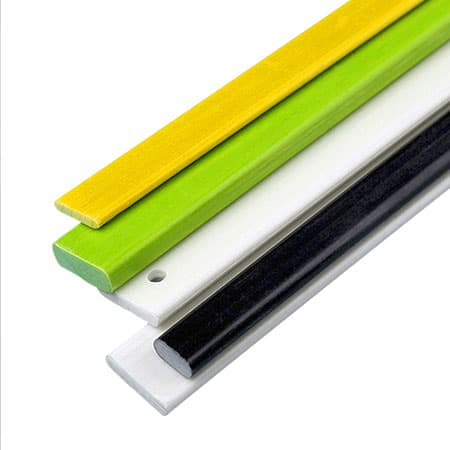
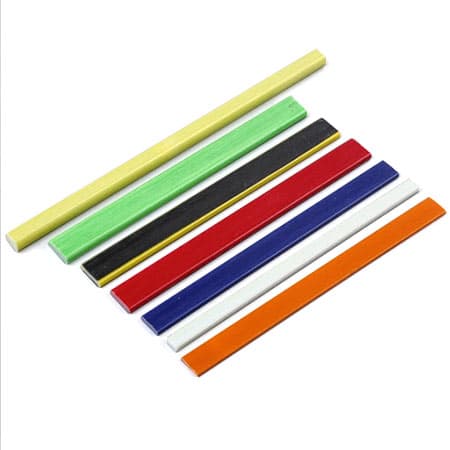
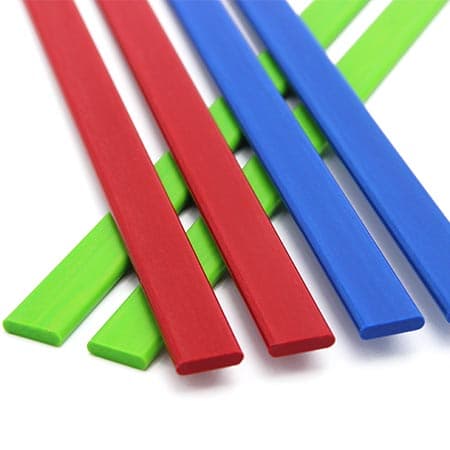
Fiberglass Strips: The Versatile Solution for Modern Structural Needs
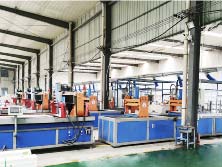
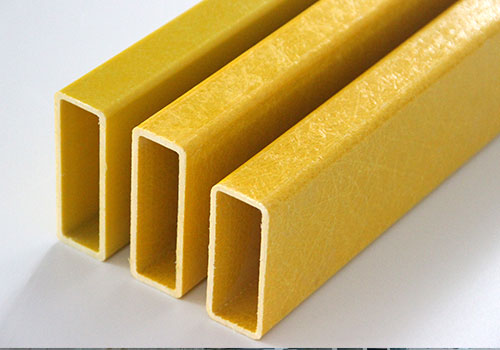
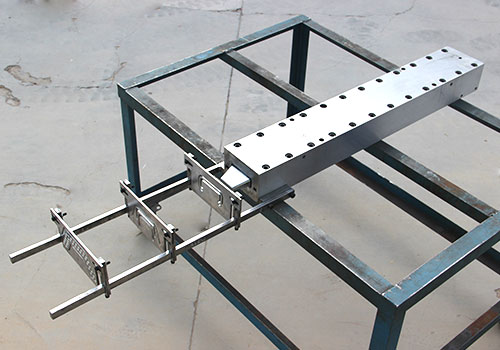
In the industrial and commercial sectors of 2026, Fiberglass Strips (also known as FRP Flat Bars) have evolved far beyond simple reinforcement. These pultruded profiles are now the preferred choice for applications requiring high elasticity, corrosion resistance, and high strength-to-weight ratios. At Henan Zhongsheng (FRPZS), we utilize advanced pultrusion technology to pull high-purity glass fibers through precisely heated dies, creating flat profiles that outperform traditional steel and wood in durability and functional versatility.
1. Core Advantages of Pultruded FRP Strips
Our fiberglass strips are engineered to provide a unique combination of mechanical and chemical properties:
- Exceptional Elasticity & Recovery: Unlike metal bars, FRP strips can withstand repeated high-deflection bending and return to their original shape without permanent deformation, making them ideal for spring-tension applications.
- Structural Weight Efficiency: Weighing up to 75% less than steel, these strips significantly reduce transportation costs and simplify on-site installation without sacrificing load-bearing capacity.
- Inherent Corrosion & UV Resistance: Immune to rust, oxidation, and most industrial chemicals, our strips are formulated with UV inhibitors to prevent surface degradation and "fiber blooming" in outdoor environments.
- Superior Dielectric Strength: As a non-conductive material, fiberglass strips provide essential safety in electrical insulation and prevent interference in sensitive electronic equipment.
2. Performance Matrix & Resin Specifications
The mechanical integrity of a fiberglass strip is determined by its resin matrix. We offer a range of chemical systems to meet specific industrial demands:
| Resin Type | Density (g/cm³) | Tensile Strength (MPa) | Flexural Strength (MPa) | Primary Advantage |
|---|---|---|---|---|
| Epoxy | 1.8 - 2.0 | 600 - 850 | 800 - 1000 | Maximum mechanical strength & fatigue resistance. |
| Vinyl Ester | 1.7 - 1.9 | 500 - 700 | 700 - 900 | Superior chemical and acid resistance. |
| Polyester | 1.6 - 1.8 | 400 - 600 | 600 - 800 | Cost-effective for general structural use. |
| Phenolic | 1.8 - 2.0 | 500 - 700 | 700 - 900 | Excellent fire safety and low smoke toxicity. |
3. Strategic Multi-Industry Applications
- Construction & Infrastructure: Reinforcement bars for concrete, decorative cladding supports, and lightweight trusses for tension structures.
- Electrical & Telecommunications: Insulating spacers in transformers, cable tray dividers, and non-conductive support masts for cell towers.
- Sporting Goods & Recreation: Core reinforcements for skis and snowboards, high-flexibility components for bows (archery), and lightweight tent poles.
- Transportation & Logistics: Lightweight floor stiffeners for truck trailers and aerodynamic fairing supports for EVs.
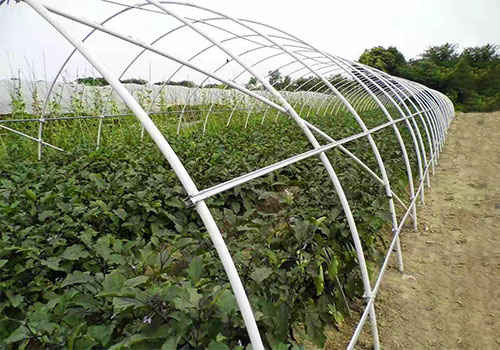
- Agriculture & Horticulture: Corrosion-proof trellises, greenhouse stakes, and heavy-duty fencing that requires zero maintenance.
10 Professional FAQs: Fiberglass Strip Engineering
Q1: "Can FRP strips be used as springs?"
A: Yes. Due to their high flexural strength and elastic memory, epoxy-based fiberglass strips are widely used in industrial vibrating feeders and agricultural spring tines.
Q2: "How do I choose between Polyester and Vinyl Ester for my flat bars?"
A: If the environment is corrosive (chemical exposure or marine), Vinyl Ester is required. For general indoor or structural use, Polyester offers the best value.
Q3: "What is the maximum thickness available for pultruded strips?"
A: While standard strips are 2mm to 10mm, we can pultrude flat bars up to 25mm thick depending on the width and mechanical requirements.
Q4: "Are the edges of the strips sharp after pultrusion?"
A: Our pultrusion dies are precision-ground to produce smooth, safe edges. However, for specialized handle applications, we can further radius the corners.
Q5: "Do fiberglass strips interfere with 5G or WiFi signals?"
A: No. Fiberglass is RF-transparent, making these strips ideal for shrouds or supports in telecommunications equipment.
Q6: "Can they be glued to other materials like wood or metal?"
A: Yes. They bond exceptionally well with two-part epoxy or polyurethane adhesives. We recommend a light sanding of the surface to improve mechanical grip.
Q7: "Are the colors integrated or painted?"
A: The color is pigment-blended directly into the resin matrix during production, ensuring it will not chip, peel, or flake off.
Q8: "What is the thermal conductivity of these strips?"
A: Very low (0.2 - 0.4 W/mK), which makes them excellent thermal breaks in window frames and building facades.
Q9: "How do I cut fiberglass strips without fraying the edges?"
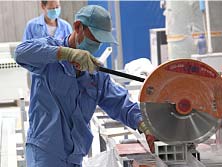
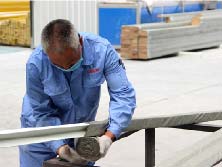
A: Use a high-speed diamond-grit blade or a carbide-tipped saw. For precision work, water-jet cutting provides a perfect edge finish.
Q10: "Do you offer pre-drilled or machined strips?"
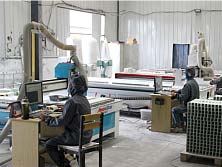
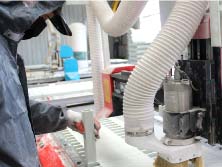
A: Yes. We provide CNC secondary processing, including drilling, slotting, and precision cutting to length, so the strips arrive ready for assembly.
Custom Composite Solutions
Partner with Henan Zhongsheng Composite Materials Co., Ltd. for high-precision Fiberglass Strips tailored to your engineering needs. Led by Jessica Huang, our team delivers world-class structural solutions to the global market.
Contact our engineering department for a quote:
- Technical Sales Lead: Jessica Huang
- Direct Engineering Email: Jessica@frpzs.com
- Global WhatsApp: +86 15303735673