+86 15303735673
 Jessica@frpzs.com
 Technical Data


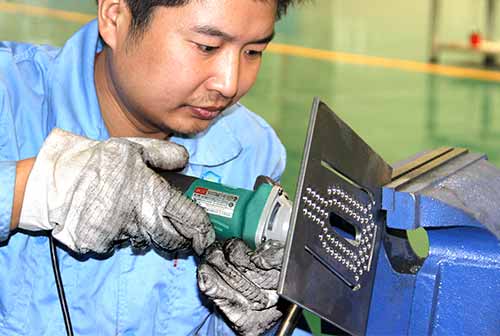
The Technical Apex: Understanding Fiberglass Pultrusion Tooling
In the advanced manufacturing of composite sections, fiberglass pultrusion stands as the most efficient continuous process. However, the true "heart" of this operation is the fiberglass pultrusion molds (often referred to as pultrusion dies). These are not merely shaping tools; they are high-pressure thermal reactors where fibers and resin transition into structural reality. At Henan Zhongsheng (FRPZS), we engineer our pultrusion dies to withstand the abrasive nature of glass roving while maintaining micron-level precision over kilometers of production.
1. Material Science: Why Pultrusion Molds Outperform Conventional Tooling
While standard steel, aluminum, or plastic molds suffice for low-volume casting, the continuous "pull" of abrasive glass fibers demands a superior metallurgical approach. Our GRP pultrusion tools are typically forged from high-alloy tool steels like P20, S136, or H13, which are then treated to achieve a specific surface hardness.
Unmatched Strength-to-Weight & Durability
Compared to generic aluminum molds, industrial-grade pultrusion dies offer a vastly superior strength-to-weight ratio. They are engineered to resist thermal fatigue—the cracking that occurs due to repeated heating and cooling cycles. This resilience ensures that the fiberglass pultrusion molds maintain their geometric profile without deformation, even when subjected to the high internal pressures generated during the resin expansion phase.
2. Economic Logic: ROI and Production Efficiency
Investing in a high-quality pultrusion die is a decision centered on long-term Return on Investment (ROI). Let's compare the operational efficiency of professional pultrusion molds against standard alternatives:
| Comparison Metric | Standard Commercial Molds | Zhongsheng Pultrusion Die (Tier-1) | Industrial Significance |
|---|---|---|---|
| Surface Hardness | HRC 20-30 | HRC 58-62 (after treatment) | Resists fiber abrasion for 10x longer life |
| Internal Finish | Ra 0.8 µm | Ra 0.05 - 0.1 µm (Mirror Finish) | Reduces pull force; prevents resin buildup |
| Thermal Expansion | High (Unpredictable) | Low & Controlled (Isotropic) | Ensures micron-accurate profile dimensions |
| Scrap Rate | 5% - 8% due to warping | Under 0.5% | Significant material and energy savings |
| Life Expectancy | ~5,000 meters | 50,000 - 100,000+ meters | Lower cost-per-meter over project life |
3. The Science of Surface Engineering: Mirror Polishing & Chrome Plating
A critical advantage of fiberglass pultrusion molds from Zhongsheng is our proprietary surface treatment. Every die undergoes hard chrome plating (typically 0.05-0.08mm thickness). This doesn't just prevent rust; it creates a low-friction "highway" for the resin-soaked fibers. A mirror-polished internal surface (Ra 0.05) is essential because any micro-scratch can cause "fiber snagging," leading to production line downtime and structural defects in the final FRP profile.
4. Sustainability and Environmental Stewardship
In 2026, industrial sustainability is no longer optional. Modern fiberglass pultrusion molds contribute to a "Green Factory" ecosystem in three ways:
- Reduced Energy Consumption: Better thermal conductivity in the mold steel allows for faster heating and more stable temperature maintenance, reducing the electricity required for the curing ovens.
- Zero Emission Production: The closed-mold nature of pultrusion dies significantly reduces VOC (Volatile Organic Compound) emissions compared to open-mold hand layup.
- Recyclability: At the end of its life (after hundreds of kilometers of use), the high-grade tool steel of the mold is 100% recyclable.
10 Hardcore FAQs: Mastering Pultrusion Mold Procurement
Q1: "Which steel grade is best for high-volume FRP rebar production?"
A: For high-abrasion products like rebar, we recommend Cr12MoV or H13 tool steel. These alloys offer the best balance of toughness and wear resistance under continuous friction.
Q2: "How does mold length affect the pultrusion speed?"
A: Longer molds (e.g., 900mm to 1200mm) allow for higher pulling speeds because the profile has more time to cure within the heated die. However, they also increase the total pulling force required.
Q3: "Can you produce molds for complex, multi-hollow profiles?"
A: Yes. We utilize precision Wire EDM (Electrical Discharge Machining) and CNC centers to create intricate mandrels for hollow tubes, box sections, and custom window profiles.
Q4: "What is the importance of 'Entrance Taper' in mold design?"
A: A correctly engineered entry zone prevents fiber breakage and ensures smooth resin squeeze-out. Without a precision taper, you risk "dry spots" in your composite profile.
Q5: "How do you handle the cooling zone of the mold?"
A: While the mold is primarily heated, we often design internal water-cooling channels at the exit point to stabilize the profile geometry before it hits the puller.
Q6: "Why is hard chrome plating essential for pultrusion dies?"
A: Chrome has a very low coefficient of friction. It prevents the cured resin from sticking to the die walls (mold release) and protects the underlying steel from chemical attack by resins.
Q7: "Can your molds handle Basalt Fiber (BFRP) as well as Glass Fiber?"
A: Yes. However, Basalt is more abrasive than glass. We usually increase the chrome plating thickness or use PVD coating for dies intended specifically for basalt pultrusion.
Q8: "What maintenance is required for a pultrusion mold during a long run?"
A: Periodic "purge" runs with cleaning resin are helpful. After a major production cycle, the die should be inspected for chrome wear and re-polished if Ra levels exceed 0.4 µm.
Q9: "Do you provide thermal simulation for new mold designs?"
A: Yes. We use finite element analysis (FEA) to ensure heat distribution is uniform across the die cross-section, preventing uneven curing or "warping" of the profile.
Q10: "How does Henan Zhongsheng ensure the precision of the mold cavity?"
A: Every cavity is verified using CMM (Coordinate Measuring Machine) technology. We guarantee tolerances within ±0.01mm for high-precision industrial applications.
Precision Tooling: Consult with Our Mold Engineers
Selecting the right fiberglass pultrusion molds is a critical decision that dictates your factory's production quality and profit margins. At Henan Zhongsheng Composite Materials Co., Ltd., we combine 20 years of metallurgy expertise with advanced CNC capabilities to deliver tooling that lasts longer and performs better.
Contact Jessica Huang for a custom die design or technical quotation:
- Lead Project Manager: Jessica Huang
- Technical Email: Jessica@frpzs.com
- WhatsApp/WeChat: +86 15303735673