+86 15303735673
 Jessica@frpzs.com
 Technical Data


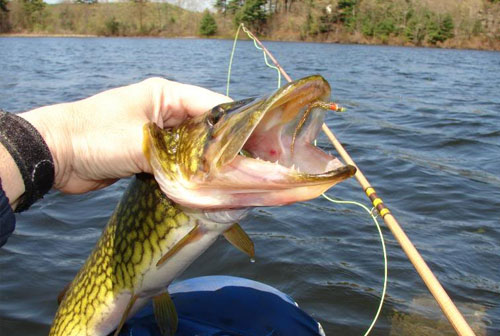
The Timeless Bend: Crafting responsive fiberglass flyrodders with high-modulus FRP cores.
The Renaissance of Glass: FRP Round Rods in Modern Fly Fishing
In an era dominated by ultra-stiff graphite, a devoted community of fiberglass flyrodders is rediscovering the "slow and soul" of fly fishing. At the heart of this movement lies the technical precision of FRP Round Rods. These high-performance fiberglass rod components are not just structural elements; they are the kinetic engines that define a rod's progressive action, protecting light tippets while offering enough backbone to turn a trophy trout.
At Henan Zhongsheng (FRPZS), we understand that for a rod builder, a round rod is more than a profile—it's a calculated balance of resin-to-glass ratio, designed to deliver the classic "glass feel" with 21st-century reliability.
1. The Mechanical Profile of Premium FRP Round Rods
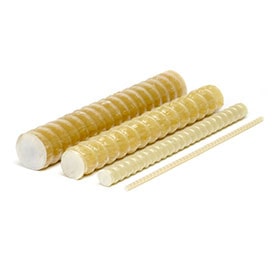
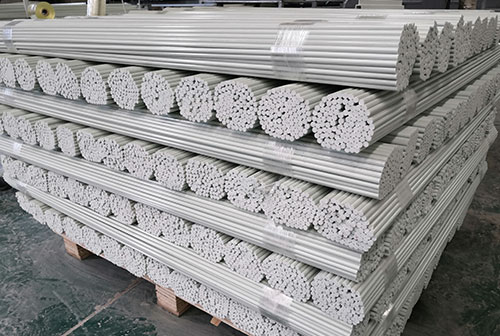
Unlike standard industrial rods, FRP Round Rods engineered for fly fishing must exhibit uniform circularity and a specific modulus of elasticity. By pultruding continuous E-glass fibers through a high-grade epoxy or vinyl ester matrix, we create a composite that excels in three critical dimensions:
Progressive Loading & Flexural Memory
The hallmark of a great fiberglass fly rod is its ability to load deeply into the butt section. High-quality FRP Round Rods provide a smooth energy transfer. Because of their "flexural memory," they store potential energy during the backcast and release it with a dampening frequency that prevents line shock—a common issue with stiffer materials.
| Property | Traditional Graphite (CF) | Zhongsheng FRP Round Rods | Angler Advantage |
|---|---|---|---|
| Action Profile | Fast / Tip-Flex | Progressive / Full-Flex | Smoother, more delicate presentations |
| Impact Resistance | Brittle (Easy to snap) | High (Extremely Durable) | Survives "clouser" hits and brush trekking |
| Vibration Damping | Low (High frequency) | High (Low frequency) | Eliminates "chatter" during the cast |
| Sensitivity | Sharp / Digital | Tactile / Analog | Better "feel" for the fly's movement |
| Cost vs Performance | Premium Pricing | Highly Cost-Effective | Exceptional rod at a builder-friendly price |
2. Strategic Applications for Rod Builders
For the custom builder, FRP Round Rods are the raw materials for innovation. Their application varies depending on the desired final taper:
- Core Blanks: Serving as the primary mandrel or structural core for multi-piece travel rods.
- Internal Ferrules: Utilizing thin-walled FRP tubes or solid rods for "spigot ferrules," ensuring the rod's flex remains uninterrupted through the joints.
- Reinforcement Spines: Providing localized stiffness in the butt section for heavy-weight rods (8wt+) intended for saltwater or pike fishing.
3. Choosing the Right Diameter & Taper
Selecting the correct FRP Round Rods is an art of measurement. A 2mm difference in butt diameter can transform a delicate 3-weight creek rod into a stiff 5-weight stream rod. Professional builders look for rods with consistent fiber volume fraction, ensuring that the rod won't develop "weak spots" or "flat zones" under heavy load during a cast.
10 Technical FAQs for Fiberglass Flyrodders
Q1: "Why do fiberglass flyrodders feel 'slower' than graphite?"
A: It's due to the lower modulus of elasticity in FRP Round Rods. This allows the rod to bend further under less load, giving the angler more time to feel the rod "load" and "unload."
Q2: "Can FRP rods handle modern heavy fly lines?"
A: Yes, but it's vital to match the rod's grain window. Fiberglass is excellent at handling "over-lining" because it doesn't reach a brittle breaking point as easily as carbon.
Q3: "Are these solid rods or hollow tubes?"
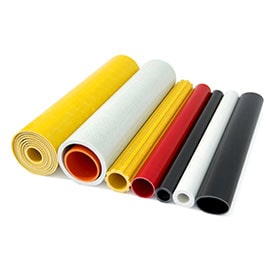
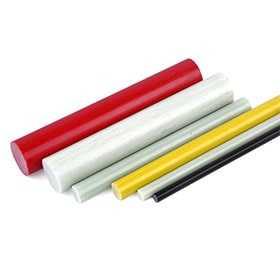
A: We provide both. Solid FRP Round Rods are often used for tips and ferrules, while hollow pultruded tubes are used for the main rod sections to keep the total weight manageable.
Q4: "Does the resin type affect the casting action?"
A: Definitely. Epoxy resins generally provide a crisper, faster recovery, while traditional polyesters provide the ultra-soft, heritage feel many fly fishing purists crave.
Q5: "How do I ensure the rod blank is perfectly straight?"
A: At Zhongsheng, our pultrusion process uses precision-aligned tensioners. We guarantee straightness tolerances that satisfy the most exacting rod building standards.
Q6: "Is fiberglass better for beginners or experts?"
A: Both. Beginners benefit from the slower tempo which helps learn timing; experts love it for the delicate presentation and the sheer fun of the fight.
Q7: "How do I sand or taper a solid FRP rod safely?"
A: Always use a respirator. Fiberglass dust is an irritant. We recommend wet-sanding with fine-grit sandpaper to achieve custom tip tapers.
Q8: "Do these rods suffer from 'shelf-wear' or degradation?"
A: No. Unlike organic materials like bamboo, FRP Round Rods are immune to rot, moisture, and temperature-induced warping.
Q9: "Can you produce transparent or colored fiberglass rods?"
A: Yes. By using translucent resins, we can create the famous "honey" or "amber" look of vintage fly rods, or any solid color required for a custom brand line.
Q10: "What's the best way to attach guides to an FRP rod?"
A: Standard nylon or silk wraps with epoxy finish work perfectly. The bond between the wrap and the FRP surface is exceptionally strong due to the resin's chemical affinity.
Craft Your Legacy with Premium Fiberglass Components
Whether you are a boutique rod builder or a large-scale fly fishing brand manufacturer, Henan Zhongsheng Composite Materials Co., Ltd. is your strategic partner for high-performance FRP Round Rods. Let our technical lead, Jessica Huang, help you select the exact modulus and taper specs to create the next legendary fiberglass flyrodder.
Consult with our composite engineers for your custom rod line:
- Lead Technical Consultant: Jessica Huang
- Inquiry Email: Jessica@frpzs.com
- Direct WhatsApp: +86 15303735673